
“If you take a look at Sarajevo at any time of day, from any surrounding hill, you will always inadvertently come to the same conclusion. It is a city that is wearing out and dying, while at the same time being reborn and transformed. Today it is the city of our most beautiful longings and endeavors and bravest desires and hopes.”
~Ivo Andrić
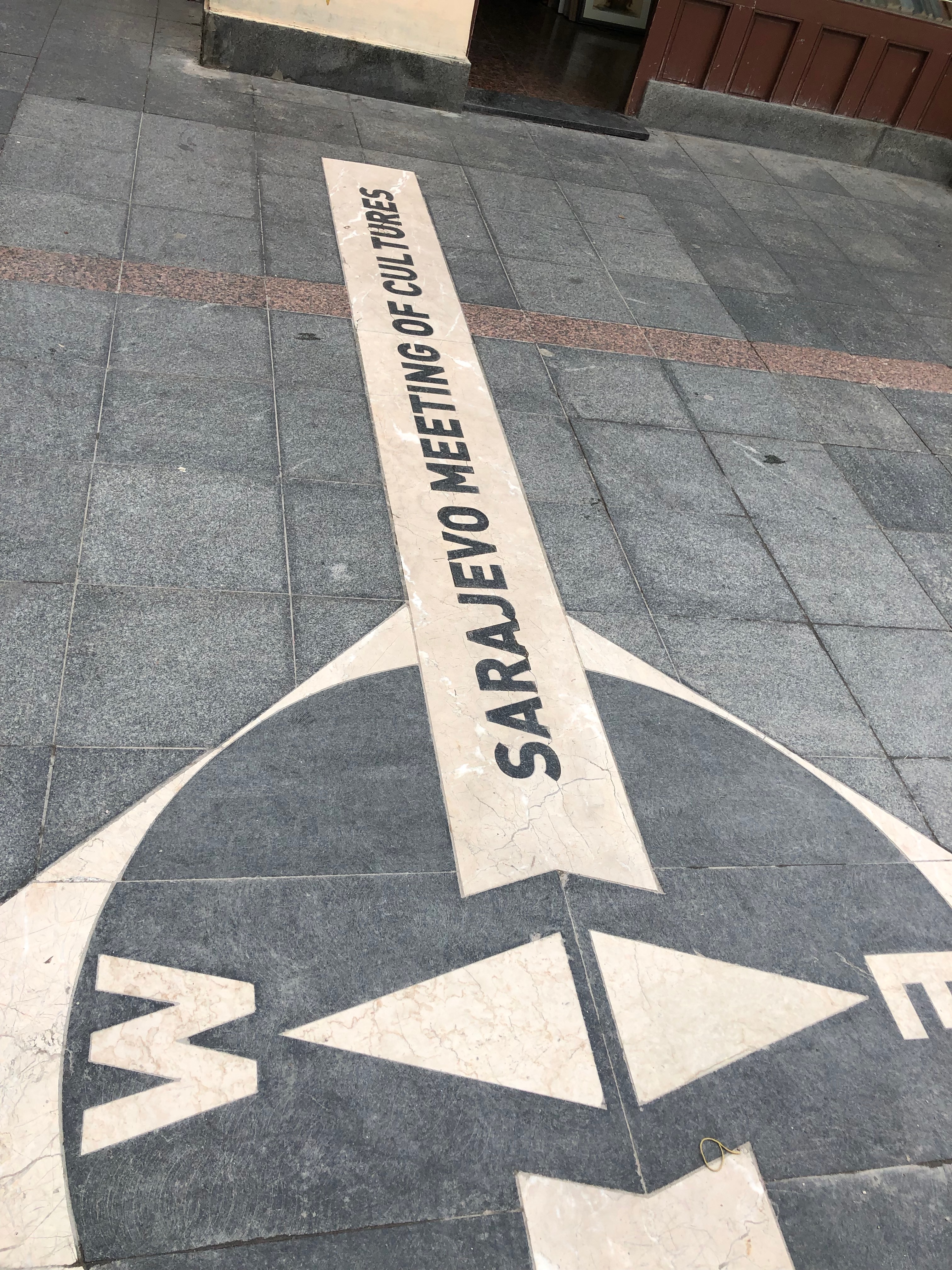
Somewhere in January 2019, I received a call from a good ole friend who invited me to visit his home country. Bosnia and Herzegovina never was part of my travel plans until I found myself struggling to get a visa. A lot of my friends have asked, “Why Bosnia?” Some even asked, “Where the f*** is that?” Bosnia and Herzegovina has always been one of the overlooked countries for travelers – underrated Europe, as it is famously known. But this amazing country has too much to offer. From its rich history to its absurdly beautiful nature, this is one of the most beautiful countries I have ever seen.
A not so distant past: The Siege of Sarajevo
Sarajevo, the capital city of Bosnia and Herzegovina, was besieged on 5 April 1992 to 29 February 1996 during the Bosnian War. The siege of Sarajevo lasted nearly four years and was the longest in modern warfare. It’s been over two decades since, but it seemed like only yesterday; the bullet holes from the mortar shells that ended numerous lives in a single explosion are still visible on buildings and houses everywhere.
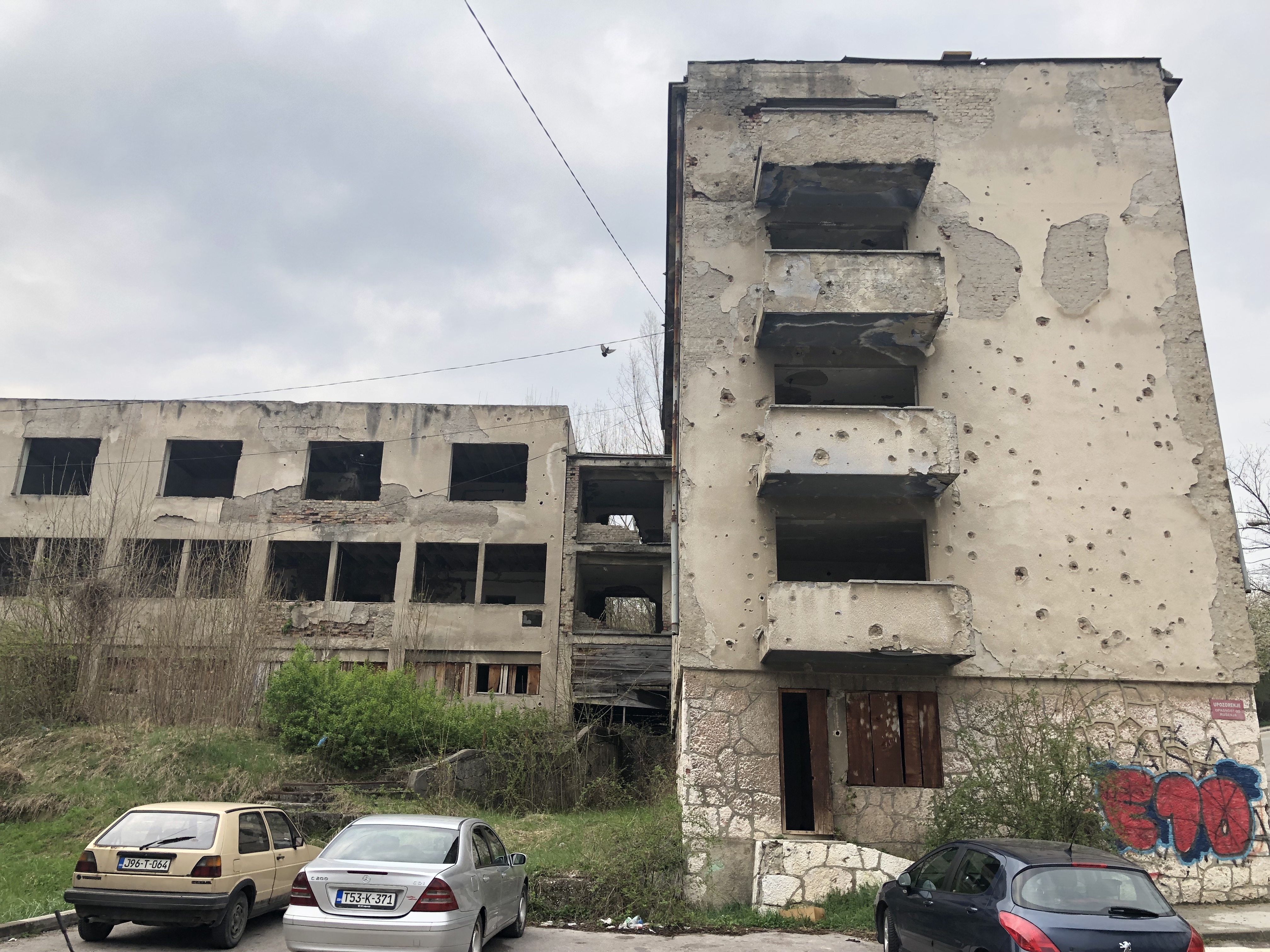
The Bosnian War was marked by ethnic cleansing, with thousands of civilians killed and millions displaced. To satisfy the conflict, the international community initiated The General Framework Agreement for Peace in Bosnia and Herzegovina, also known as the Dayton Agreement. Though the agreement’s main purpose is to promote peace and stability in the country, having three presidents and hundreds of representatives made it the most complicated system of government in Europe.
Look and Feel
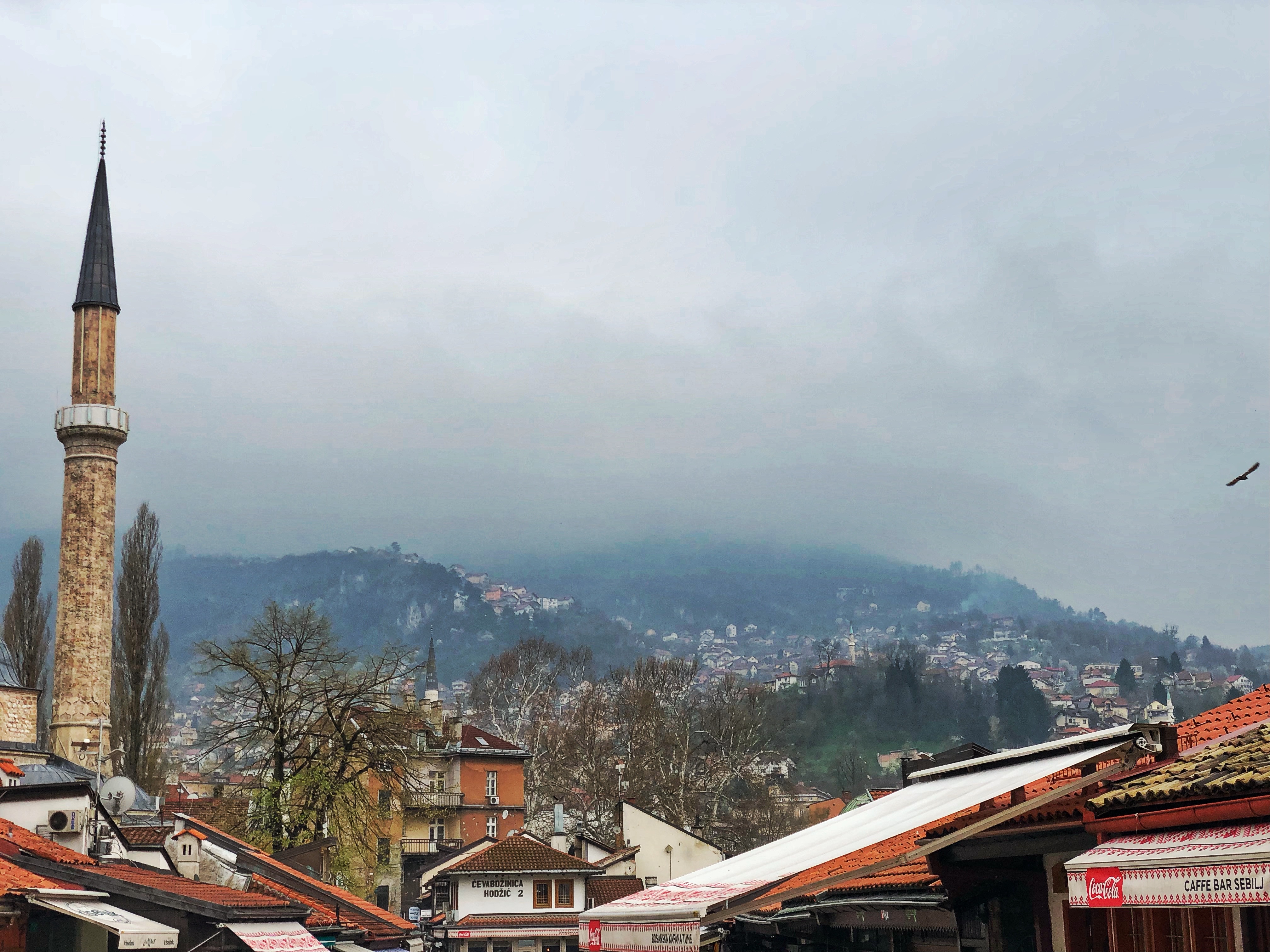
Bosnia and Herzegovina has a mixed influence of Ottoman Empire and Austro-Hungarian Monarchy. This country has a prominent building architecture that gives its unique ambience. Not to mention its naturally beautiful characteristics – its bright turquoise river, lush green mountain, narrow cobblestone streets, majestic mosques, delicious food, hilltop views, and super hospitable locals, this country deserves to be on everybody’s bucket list.
Exploring Sarajevo
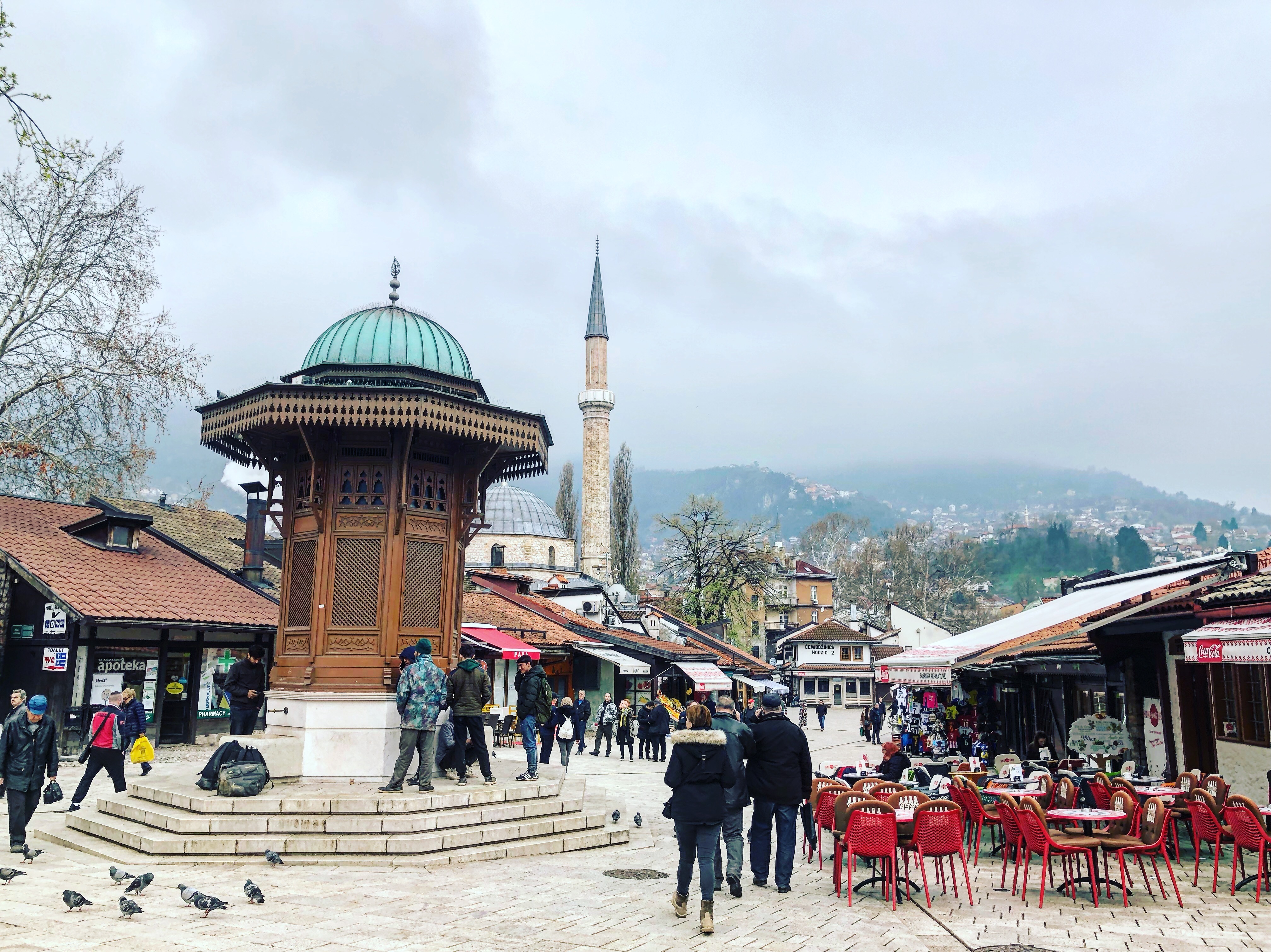
I arrived to Sarajevo last 8 April 2019. Spring was just starting, and I was welcomed with the first rain they had for the season. Though I have not had enough rest, I woke up early the next day to join a free walking tour provided by the Meet Bosnia Tours found just at the corner of the Old Town. Lead by the tour guide Edin, this two-hour free (and tip-based!) tour will give you a decent preview of the city. If you are visiting Sarajevo for the first time, I suggest you join a free walking tour as a starting point. Tours like these are very helpful in giving the city a chance to introduce its interesting history and show you what it can offer.
Since the free walking tour experience was quite interesting, I decided to also join the afternoon tour: “the Siege of Sarajevo” for 25 euro. This tour lasted three hours and I was very lucky because it was already fully booked. The Meet Bosnia Tours had to even arrange another car for me. Hence, the tour seemed to be a private one because I was the only audience for my very cool and knowledgeable tour guide-turned-friend, Adnan. I was so comfortable that it did not even feel like a paid tour at all. The feeling was almost like having an old friend drive you around while he shares his ideas about the country’s history.
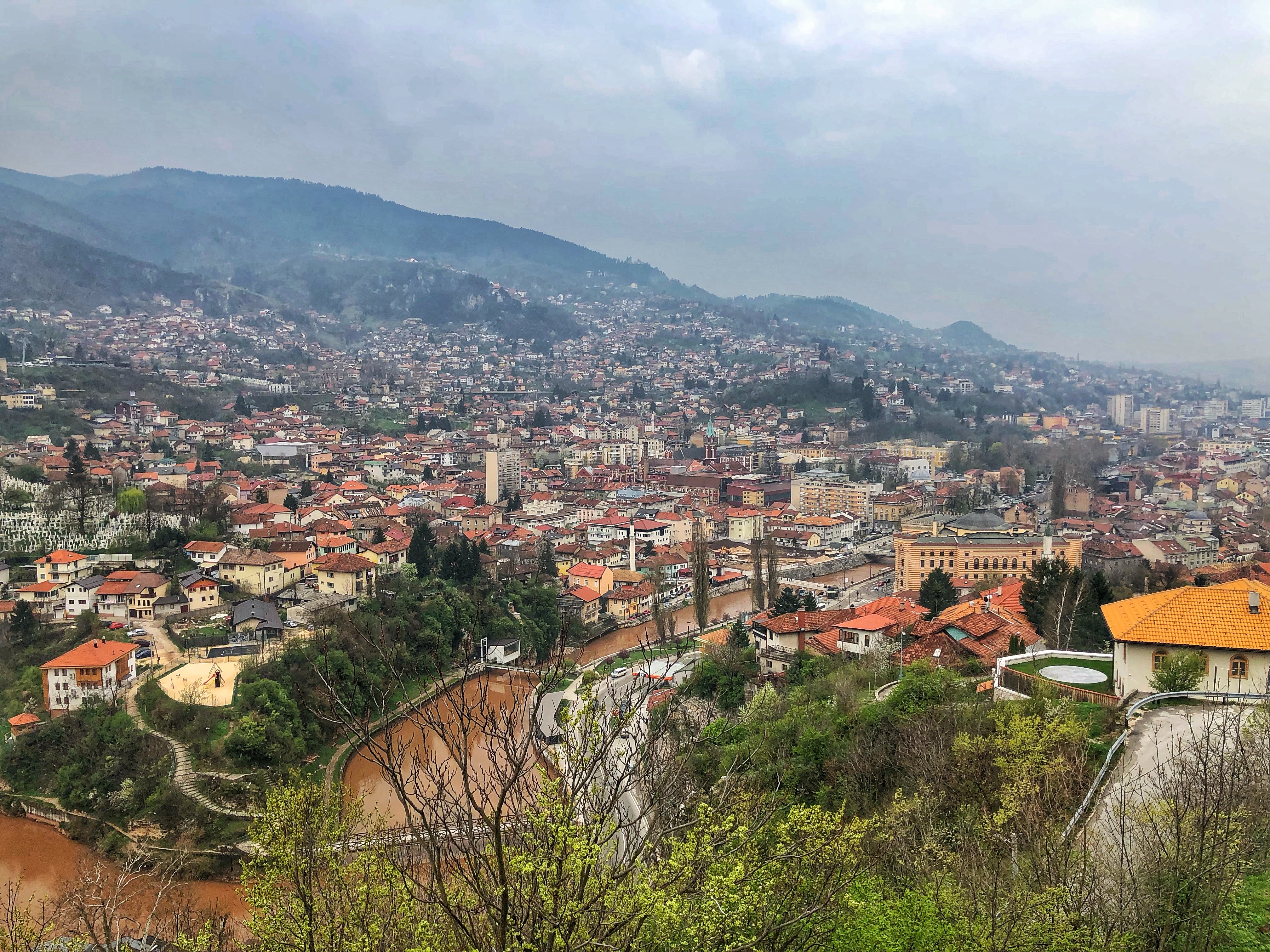
With this tour, you will be brought to significant landmarks during the time of the siege. I was first brought to The Yellow Fortress, which was once the defense point against the Austro-Hungarian troops. Today, locals and tourists go there to enjoy the panoramic view that shows 90% of the whole Sarajevo.
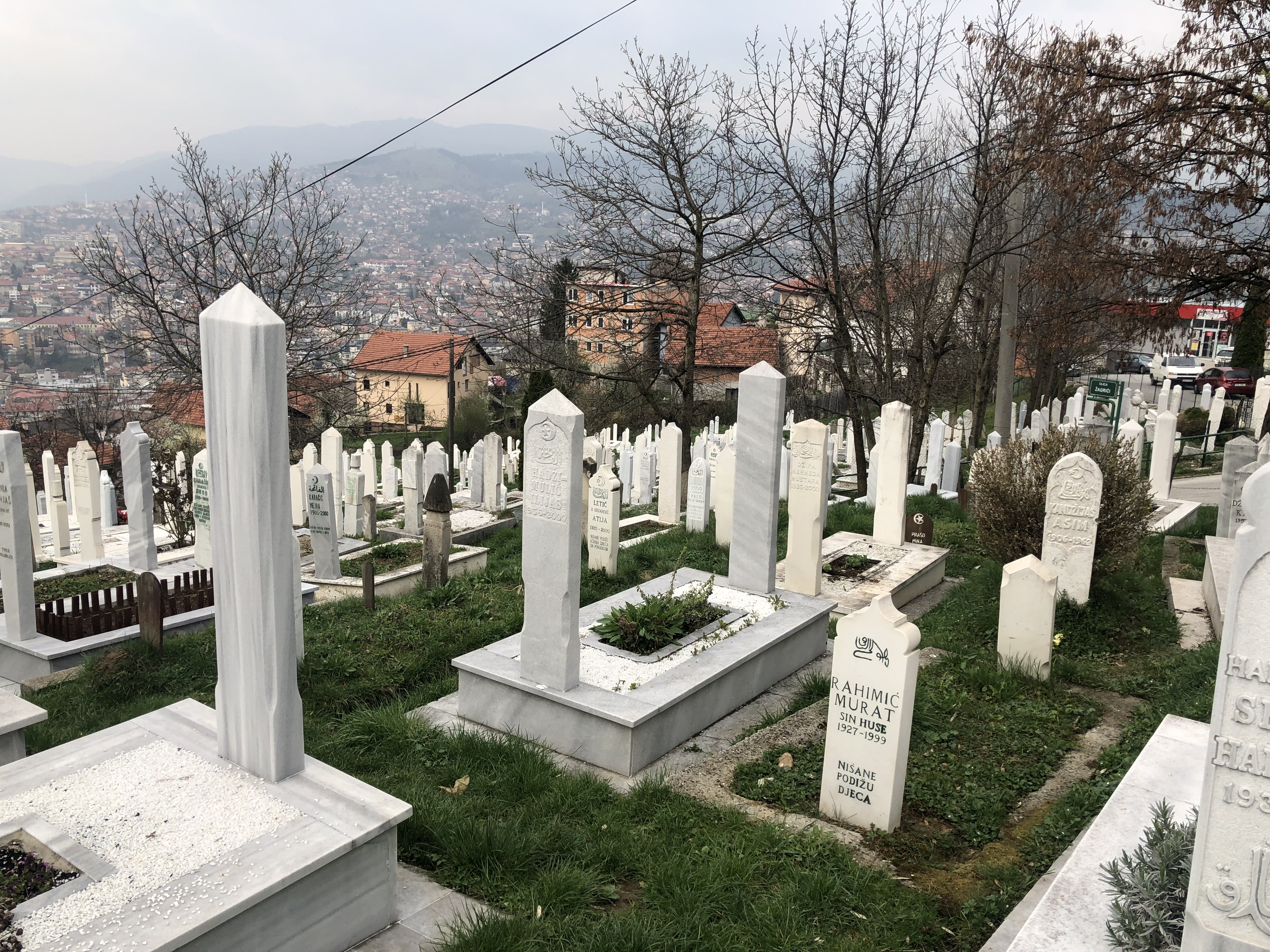
Along the way, it would not be easy to ignore the cemeteries as they are almost everywhere! I learned that those are not supposed to be cemeteries. Instead, they were supposed to be hidden vantage spots from the snipers during the war. Spots where people buried their loved ones who were killed without getting shot. Looking at those cemeteries gave me goosebumps and broke my heart.
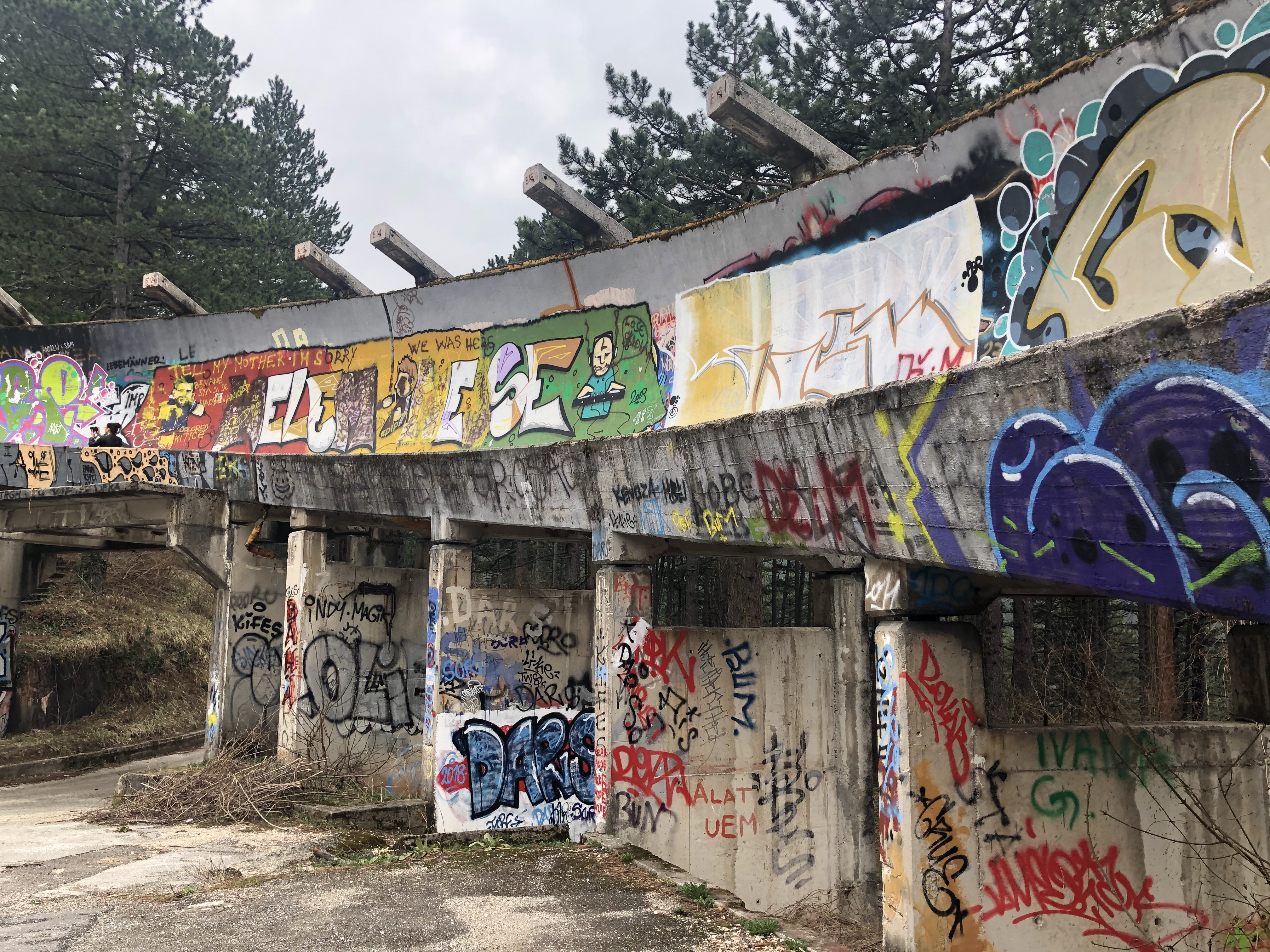
Back in 1984, Bosnia and Herzegovina hosted the Winter Olympics where a bobsleigh and lube track was built. The track was used for the World Cup competitions even after the Winter Olympics, but not until the Yugoslav War begun in 1991, which would also include the Bosnian War the following year. The track was damaged due to the Siege of Sarajevo and was used as an artillery position by the Bosnian Serb forces. By the end of the war, the track has already been used by artists to express their emotions through graffiti.
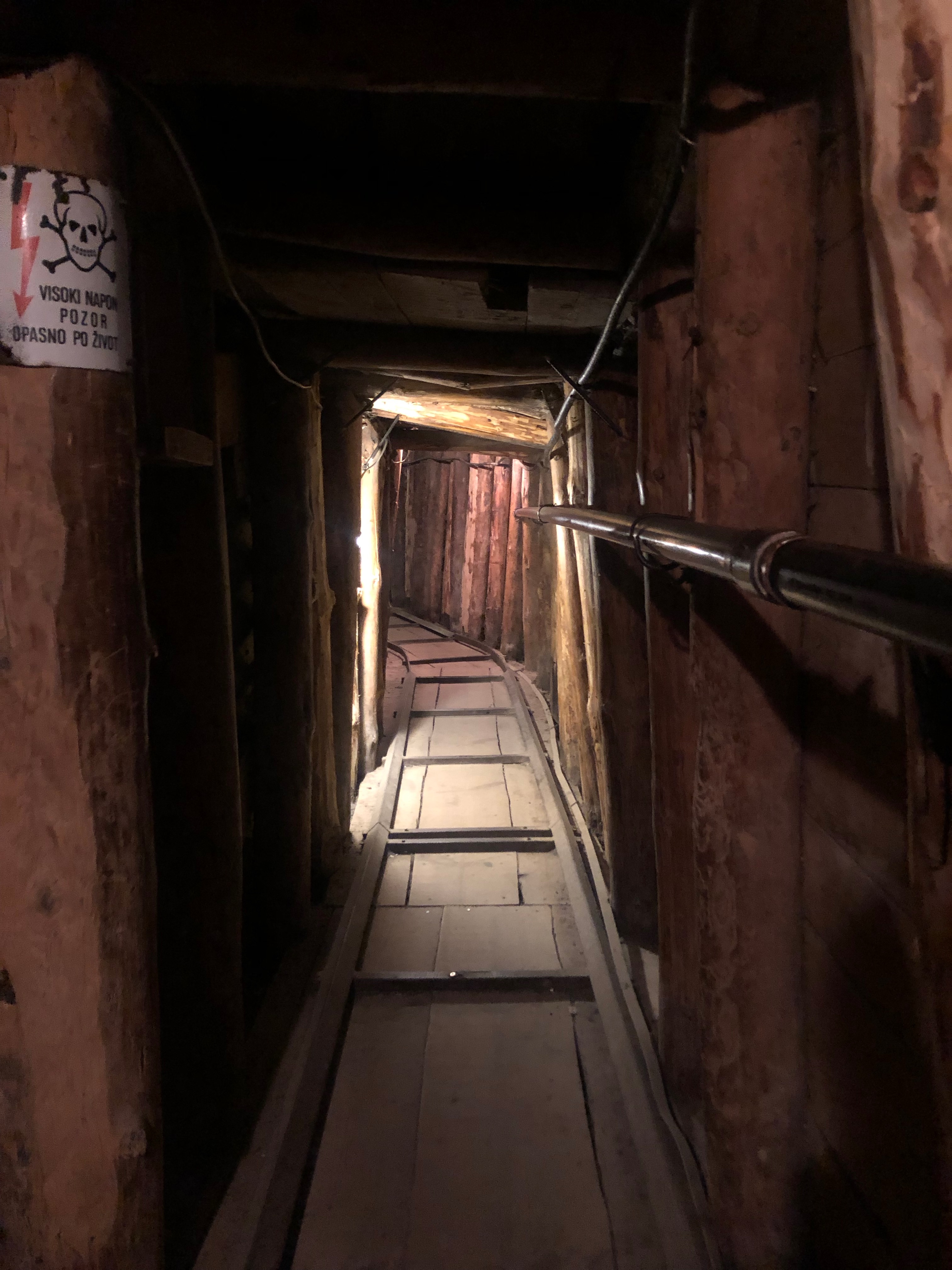
The next stop was the Sarajevo Tunnel, also known as “The Tunnel of Hope”. The 1.60m high x 0.80m wide x 800m long tunnel was dug by volunteers while strictly being manned by the Bosnian Troops on both ends during the war. The workers were paid with one pack of cigarette a day, a popular and valuable mean for barters during those times. The tunnel was constructed to link the two Bosnian territories that were cut off by the Army of Republika Srpska, and was used to pass supplies during the war – including food, fuel, newspaper, and weapons. Without the tunnel, the people on the other end of the city would not have survived.
Bosnia and Herzegovina is divided into two entities: Republika Srpska and The Federation of Bosnia and Herzegovina. The Bosnian War’s main belligerents were the forces of The Republic of Bosnia and Herzegovina and the forces of Republika Srpska. I understand if this seems confusing. You’ll really need to dig deeper in order to understand more about this country. Apparently, Republika Srpska has their own flag and their own capital city, called “East Sarajevo”, yet still uses the same passport of the Republic of Bosnia and Herzegovina.
A bite of political trivia: Radovan Karadzic was the first President of Republika Srpska (April 1992 – July 1996). He is deemed a hero by the people of the Republika Srpska as opposed to what the rest of the Bosnia and Herzegovina population believe – a war criminal. He was a fugitive after being indicted for war crimes. He hid in Belgrade under an alias and was arrested on July 2008 in the same city. He is sometimes referred to as the “Butcher of Bosnia” by the Western media. On March 2016, he was found guilty of genocide, war crimes, and crimes against humanity, and was sentenced to life imprisonment. The trial result seemed to be unacceptable for the people of Republika Srpska, and for many Bosnian, the war has yet to come to an end. A very sad realization.
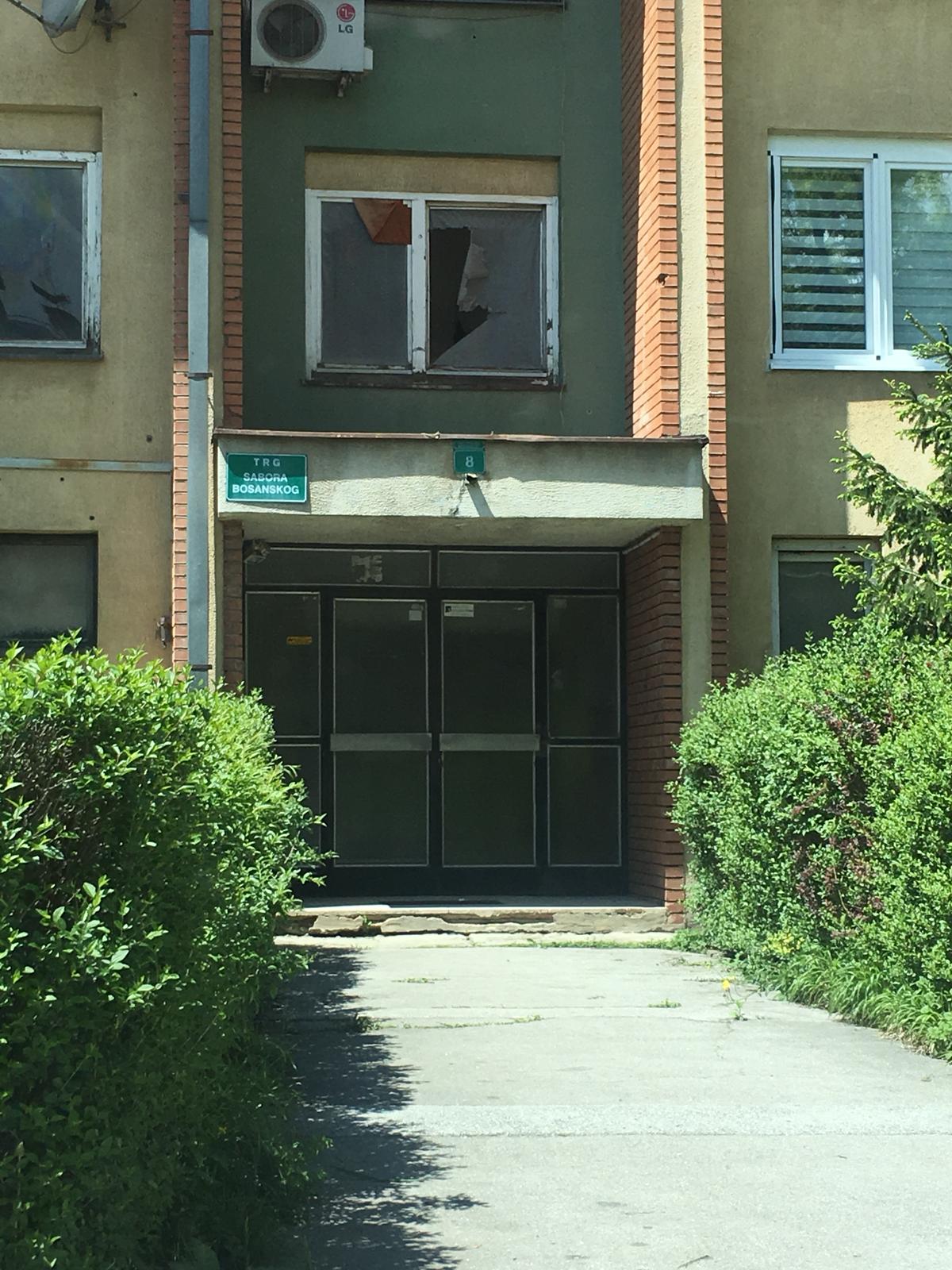
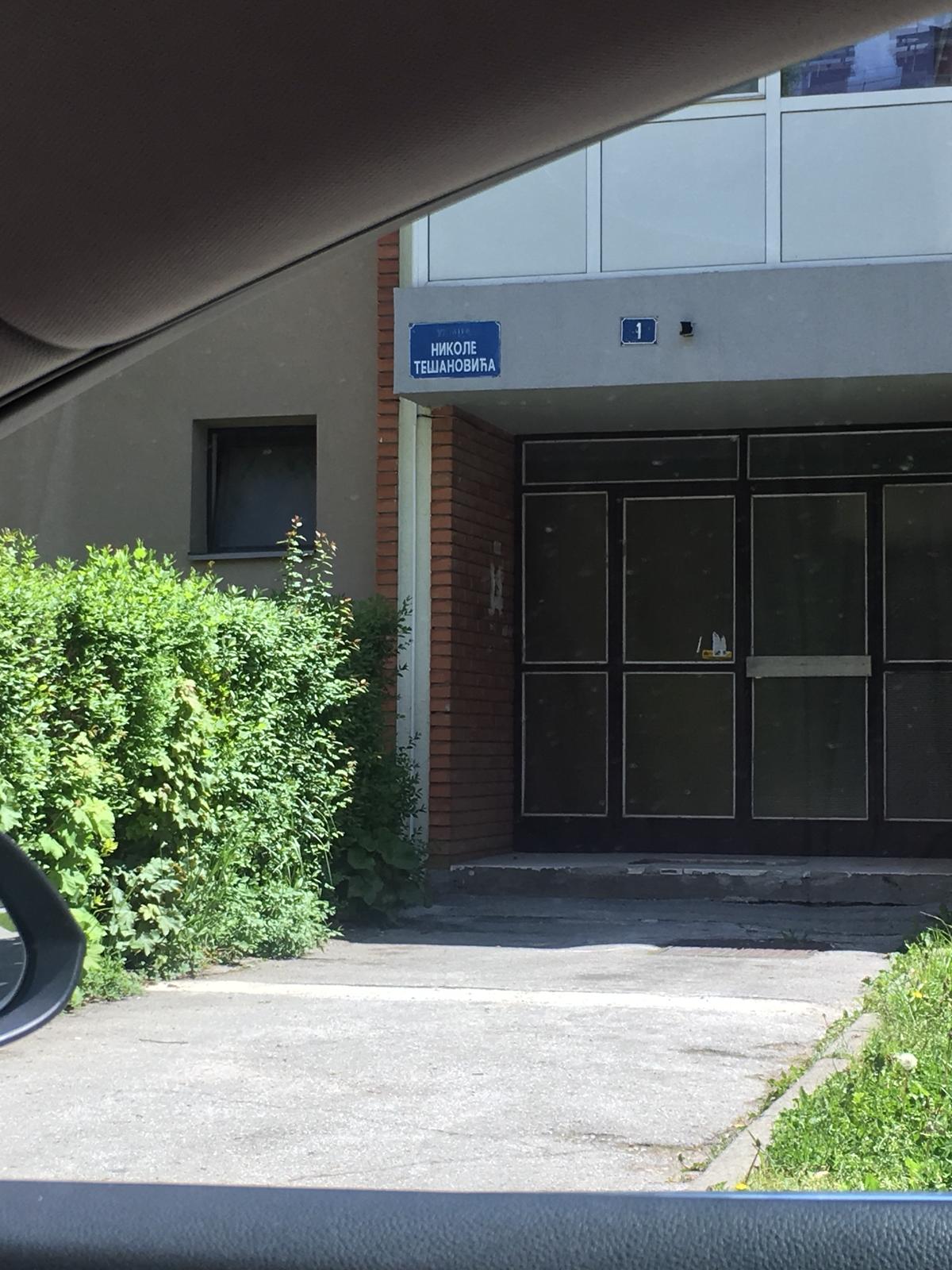
Since my tour guide Adnan was more than willing to go the extra mile (pun intended) in his tour, we drove along a nameless street in Sarajevo where the division between the two entities is physically visible. On the left side of the street, it is noticeable that house addresses are written in Latin. This side is of the Federation of Bosnia and Herzegovina. On the right, where the Republika Srpska is, they use Cyrillic. Like water and oil, they wouldn’t mix.
Sarejevo Roses
“France has its lavender. Netherlands, its tulips. Sarajevo has roses.”
-Anonymous
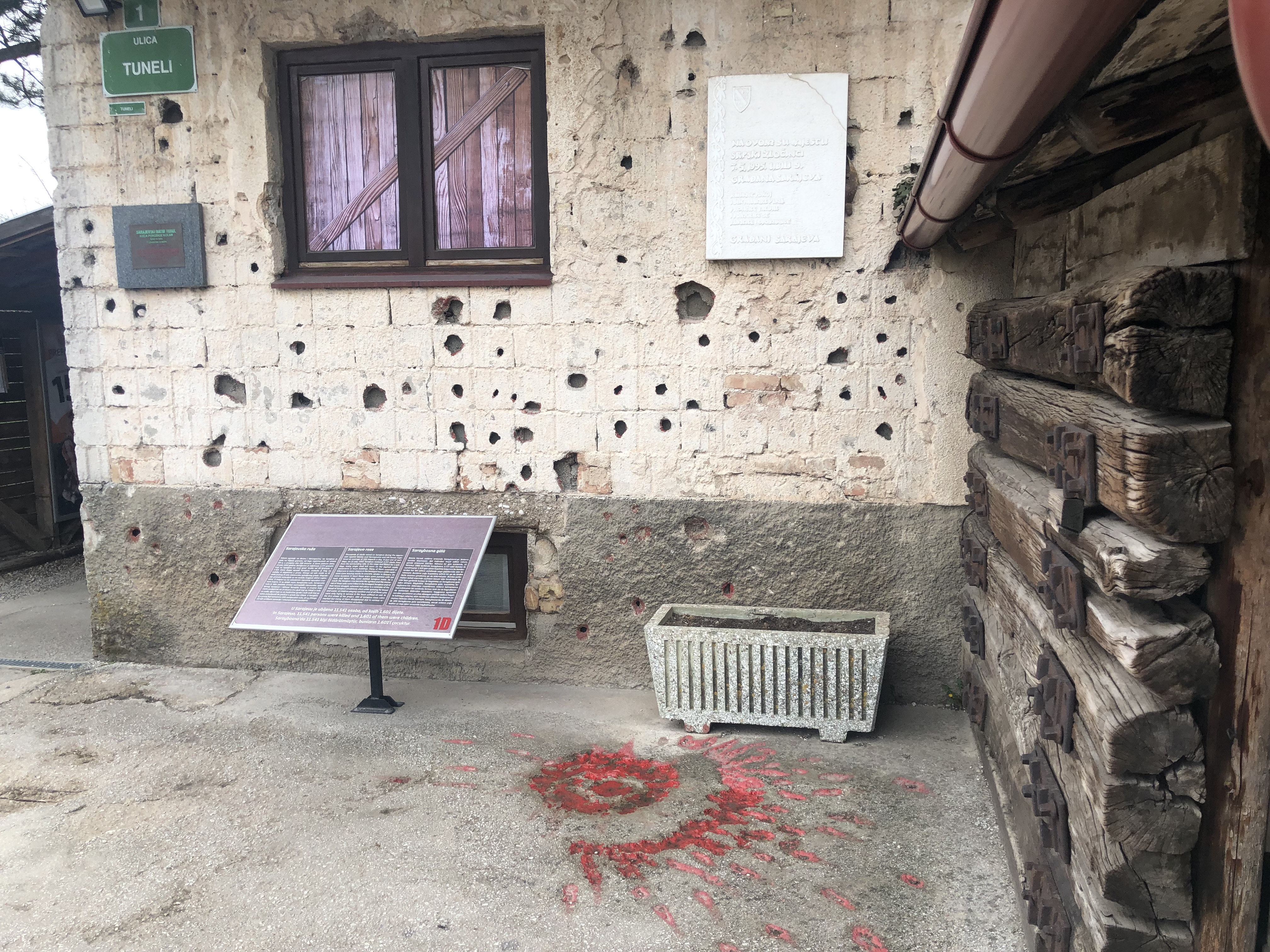
There are around 200 “roses” in the city. Sarajevo rose is a type of memorial that you will see in spots where there were atleast 3 people killed during the siege. It is made from concrete scar caused by the mortar shell’s explosion and were later on painted with red resin.
The Spring of Bosna
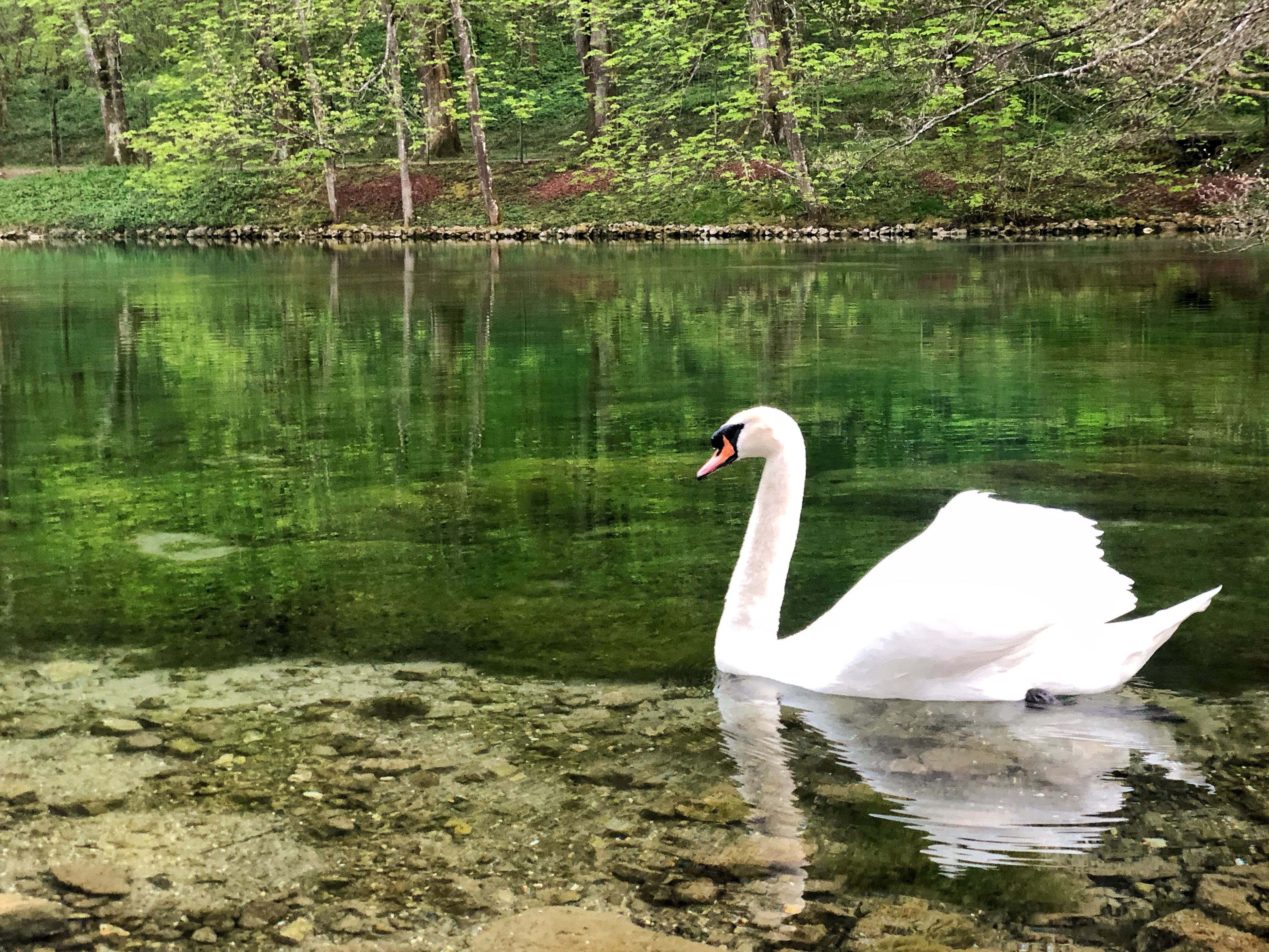
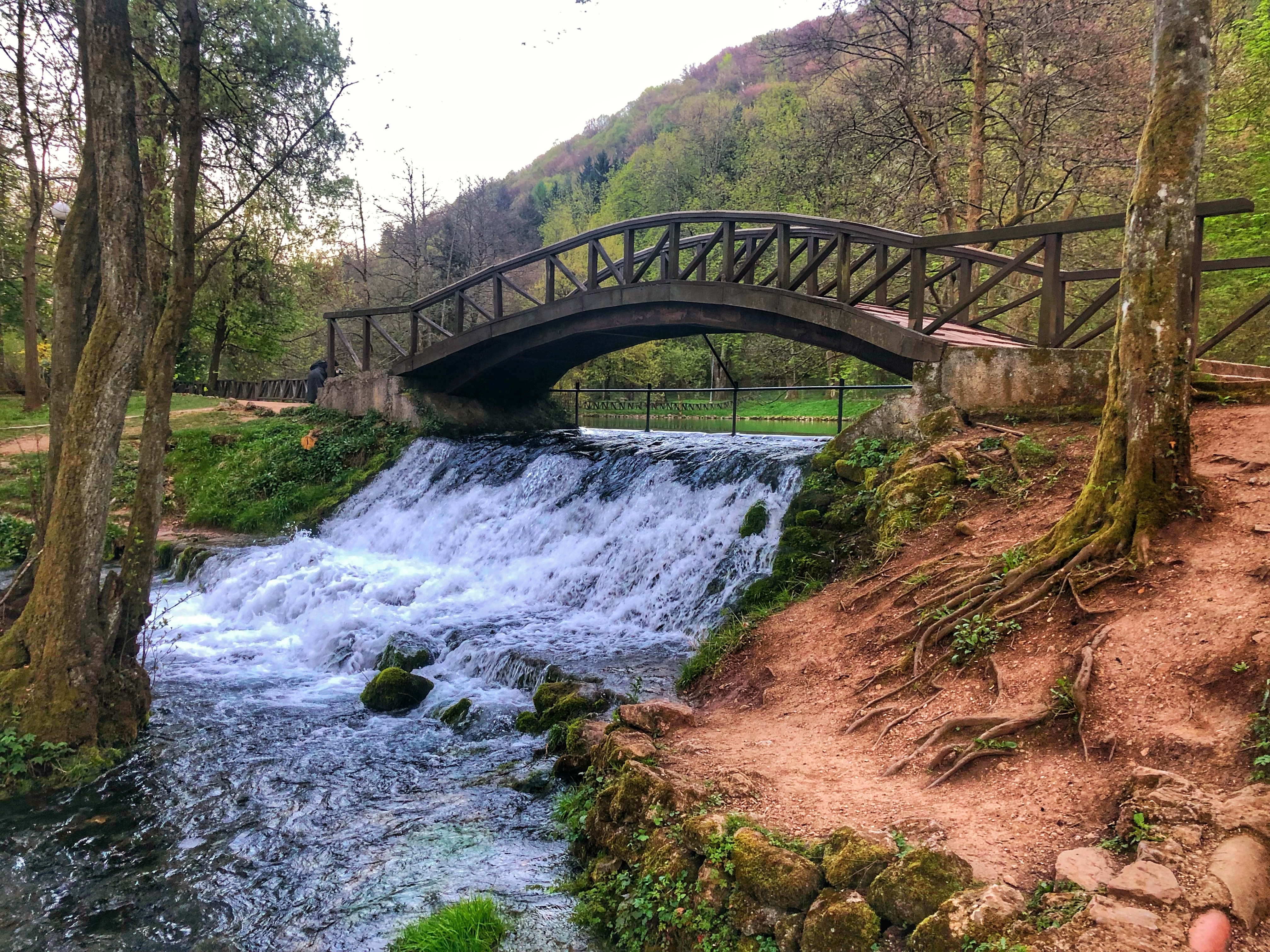
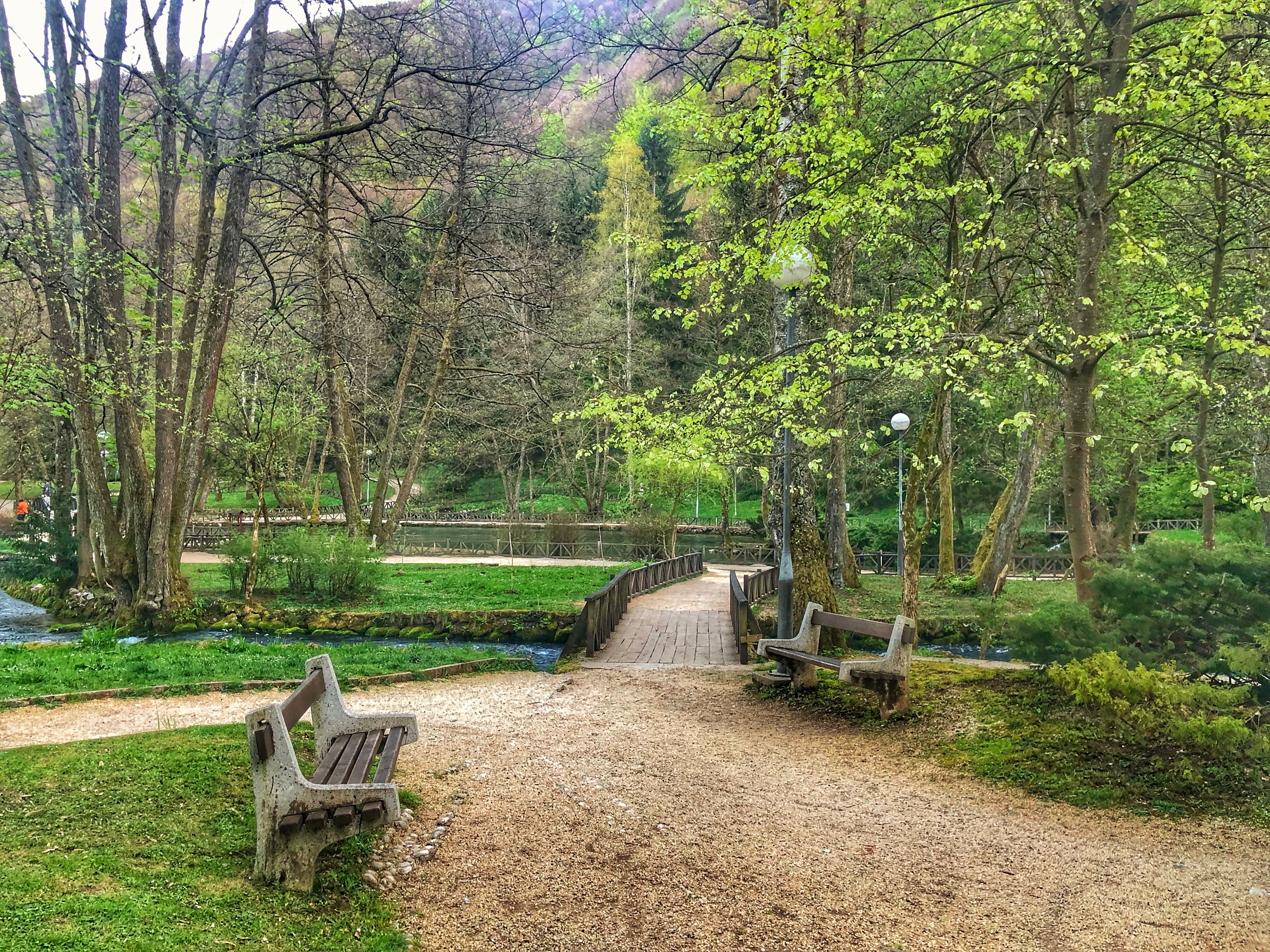
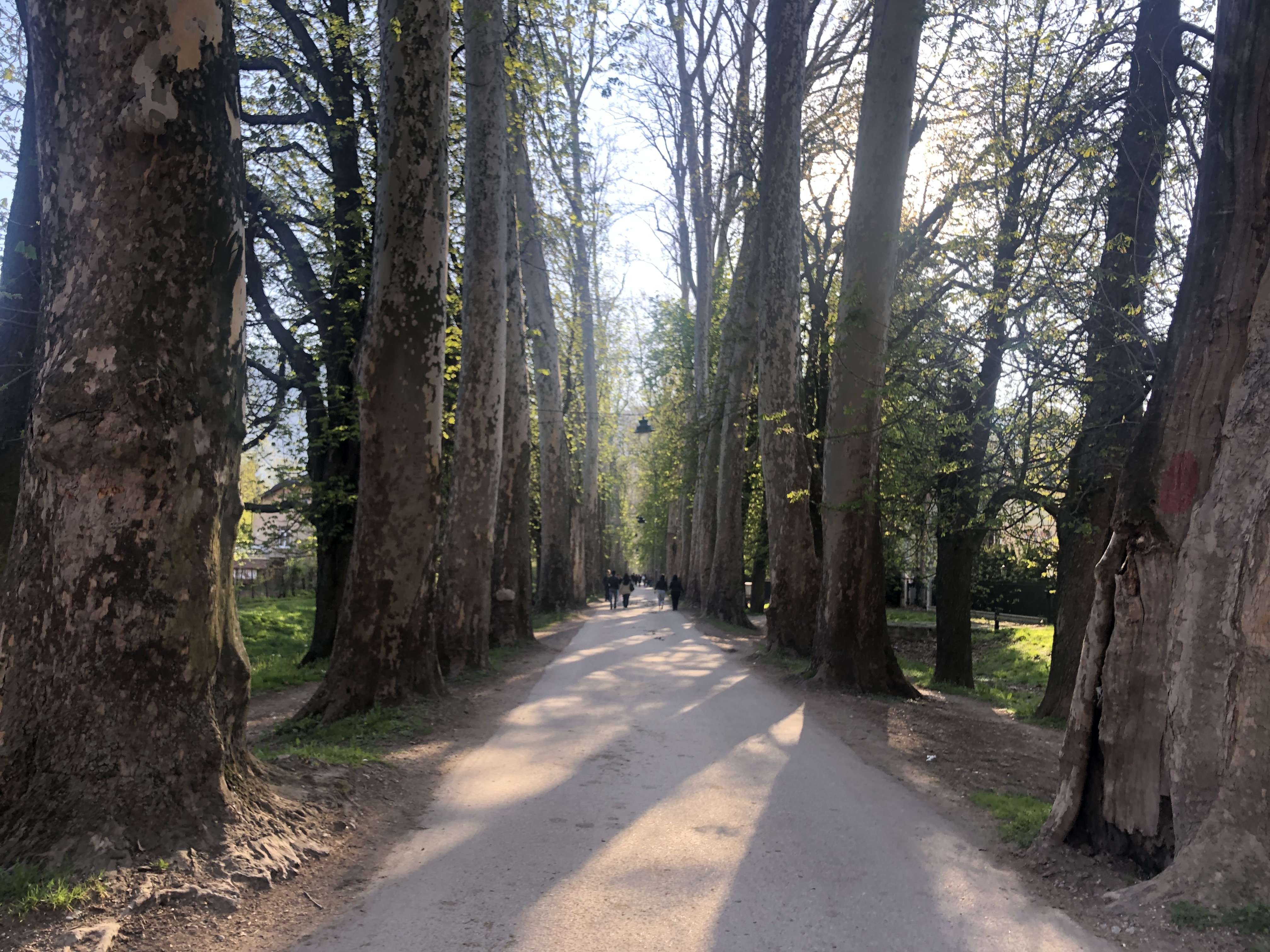
Not far from the airport, in the town of Ilidza, lies the Spring of Bosna river, also well known as Vrelo Bosne. This place offers a great escape from the busy city life of Sarajevo. Trust me, this place left me in awe. Here are some of the pictures I took from the Vrelo Bosne:
Maglaj: A Peaceful Break
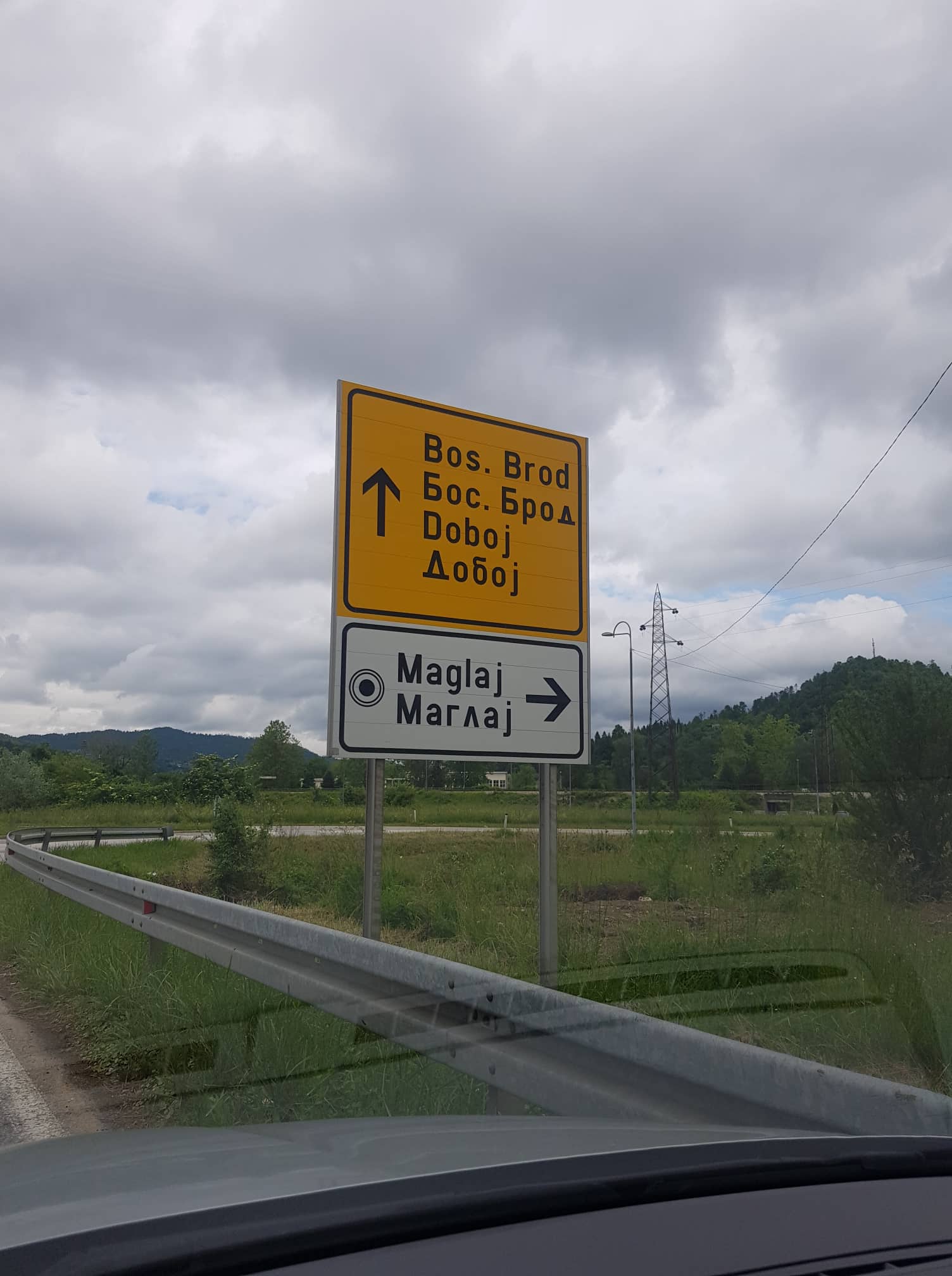
Maglaj is a small town in the northern part of Bosnia and Herzegovina, 127 km away from Sarajevo. I was invited by a friend to stay for a couple of days in this town. The town is so small that everybody knows everybody, and everybody knows what’s up with everybody. I have made a couple of new friends from Maglaj and the way I met them had always started with the question: “What are you doing in Maglaj? Are you crazy?” Apparently, Maglaj is not a touristic place. The next day, my friend told me that there’s a talk in town about the first ever, and probably the last, Filipino who visited Maglaj. Guess who they were talking about? Haha! For locals, Maglaj is such a boring place given that there’s not much activity to do. But for a tourist like me, it could be one of the highlights of my entire trip because it was where I experienced the simplicity of local life at its best. That has been always my purpose anywhere I go anyway: to experience the local life. No place is boring enough if you just open your eyes. Appreciate even the simplest things and it will all be worth it. To my friends in Maglaj, I will prove the people wrong because I will be coming back!
Tip: If you come to Maglaj, stop for a coffee, beer, or rakija at their local pub, called The Boulevard. It is not cozy, but at least you can play BINGO there haha!
The Astonishing Lush Green Scenery of Visoko
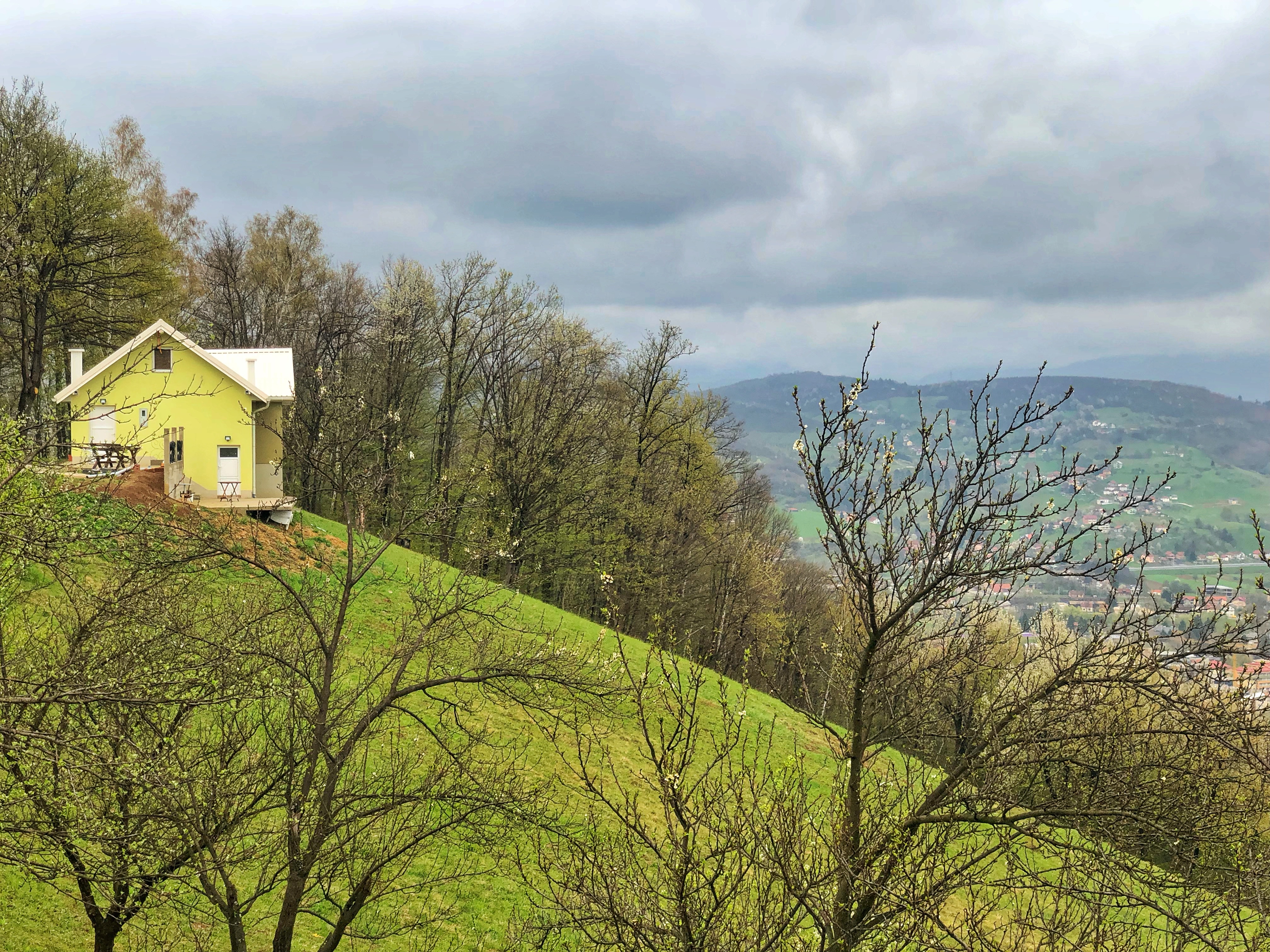
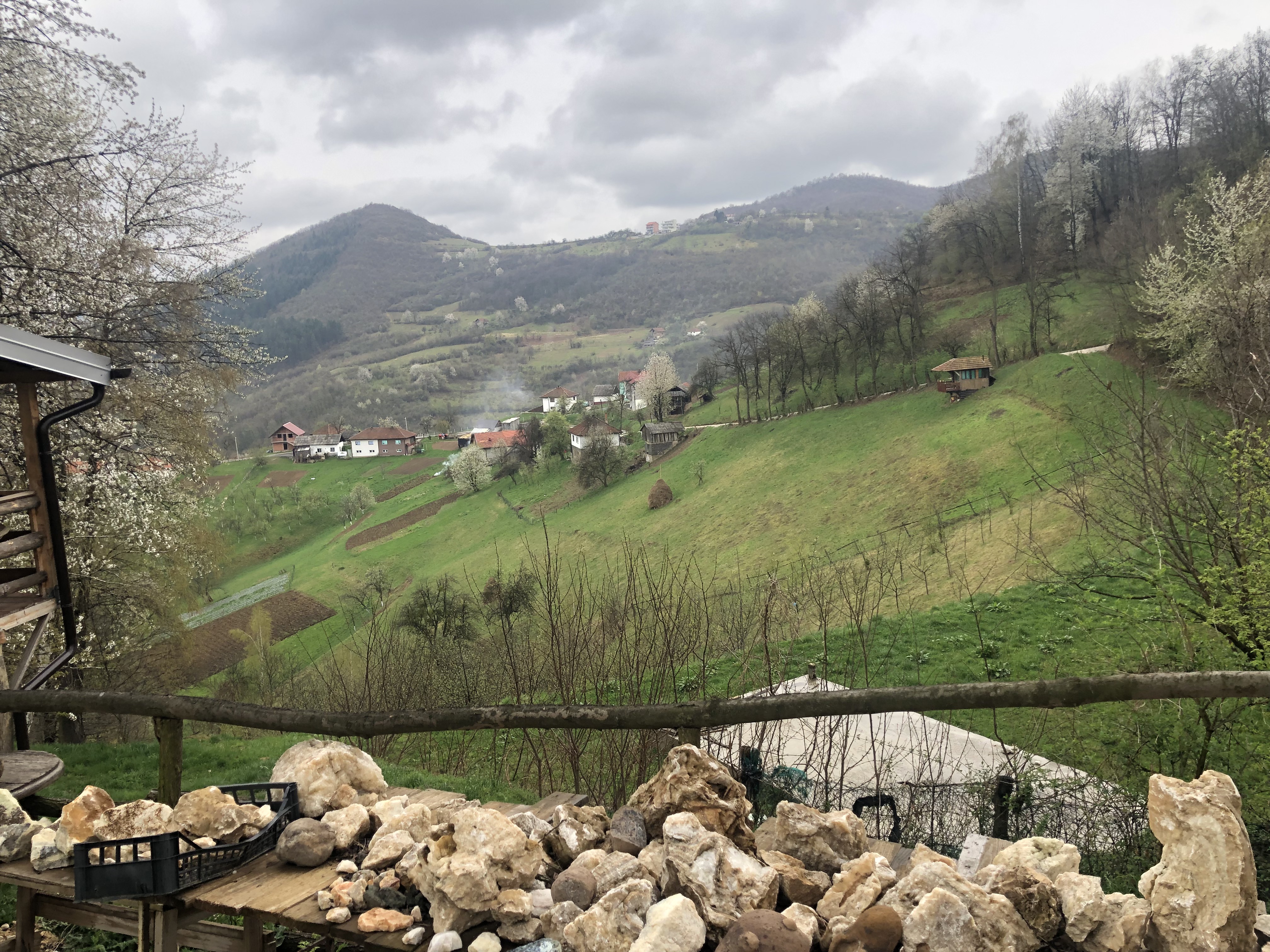
On the way back to Sarajevo from Maglaj, I passed by to Visoko to meet and greet a good friend’s family. Visoko is 33 km away from Sarajevo and is colder because of its higher altitude. It is the home of what the locals believe to be the newly discovered Bosnian Pyramid, which unfortunately turned out to be a hoax with no scientific basis. Thanks to the European Association of Archaeologists, they managed to abstain the natural flatirons from being damaged. Anyhow, this place is so green and unrealistically beautiful that many tourists keep coming for soul relaxation and meditation. Visoko’s livelihood includes livestock. Therefore, here is the best place to buy good quality leather jackets, among many other things.
Mostar on a Beautiful Sunny Day
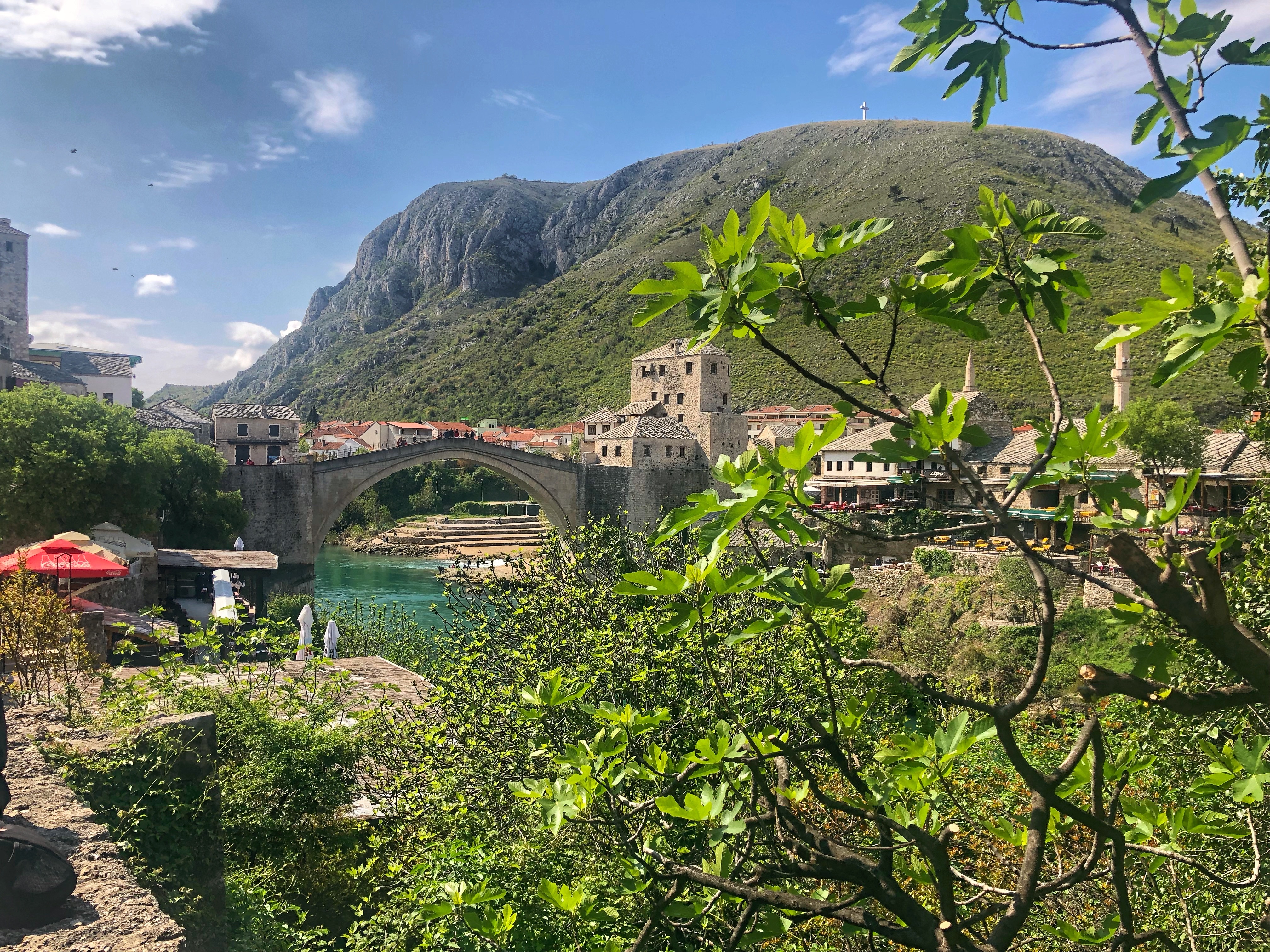
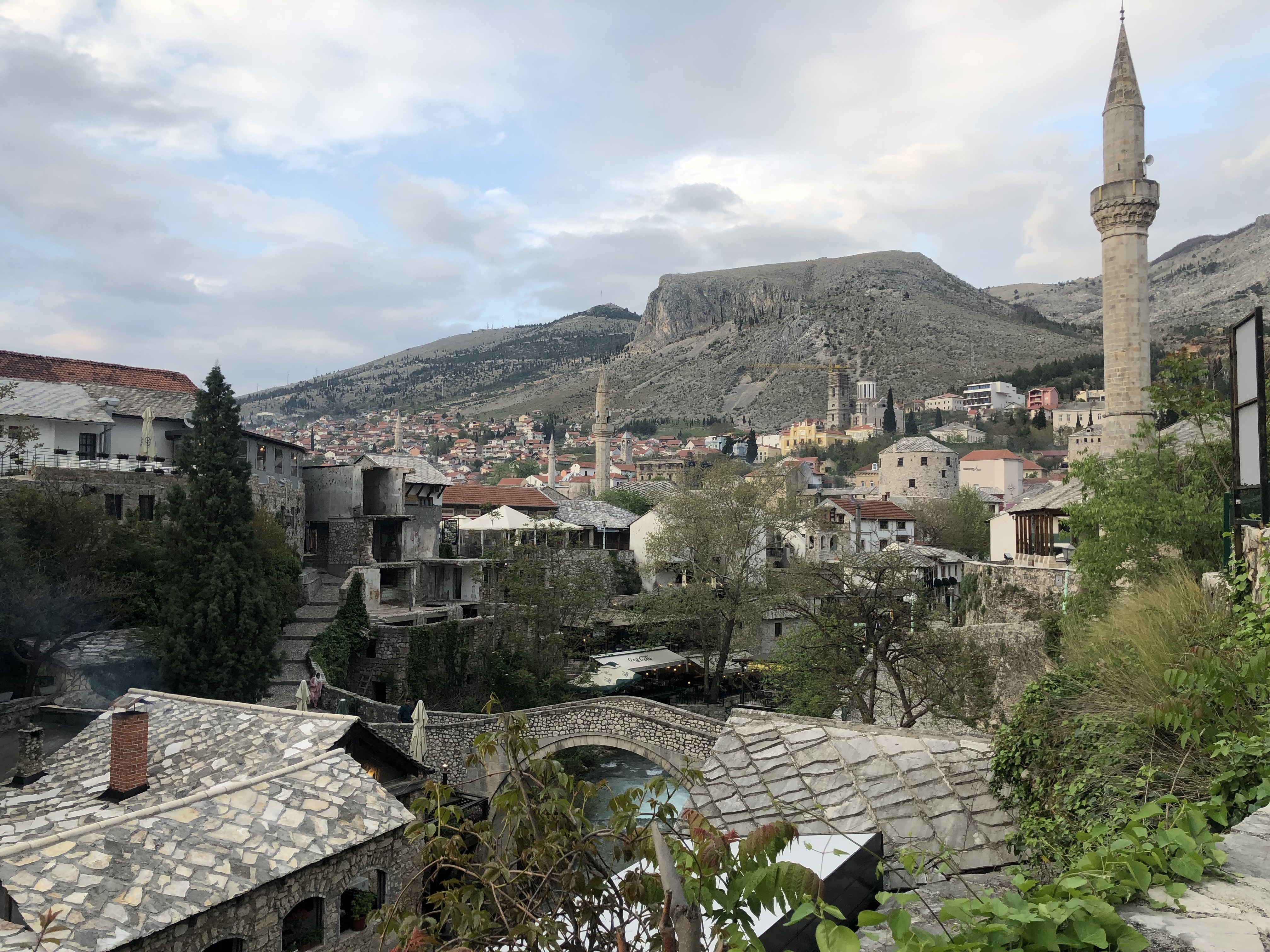
Mostar is one of the most visited cities in Bosnia and Herzegovina and there’s no reason to doubt why. It is the home for the famous Stari Most, a 16thcentury Ottoman-style bridge and the country’s most notable landmark. The bridge stretches 28 meters across the Neretva river and connects the two sides of the city. Mostar is 129 km away from Sarajevo. The best way to travel to this place is by train for approximately 2 hours and 30 minutes. The train meanders between mountains and offers a scenic view of lakes, farmhouses, and small towns. For only 6 euro, you’ll get to experience what could be the best train ride of your life.
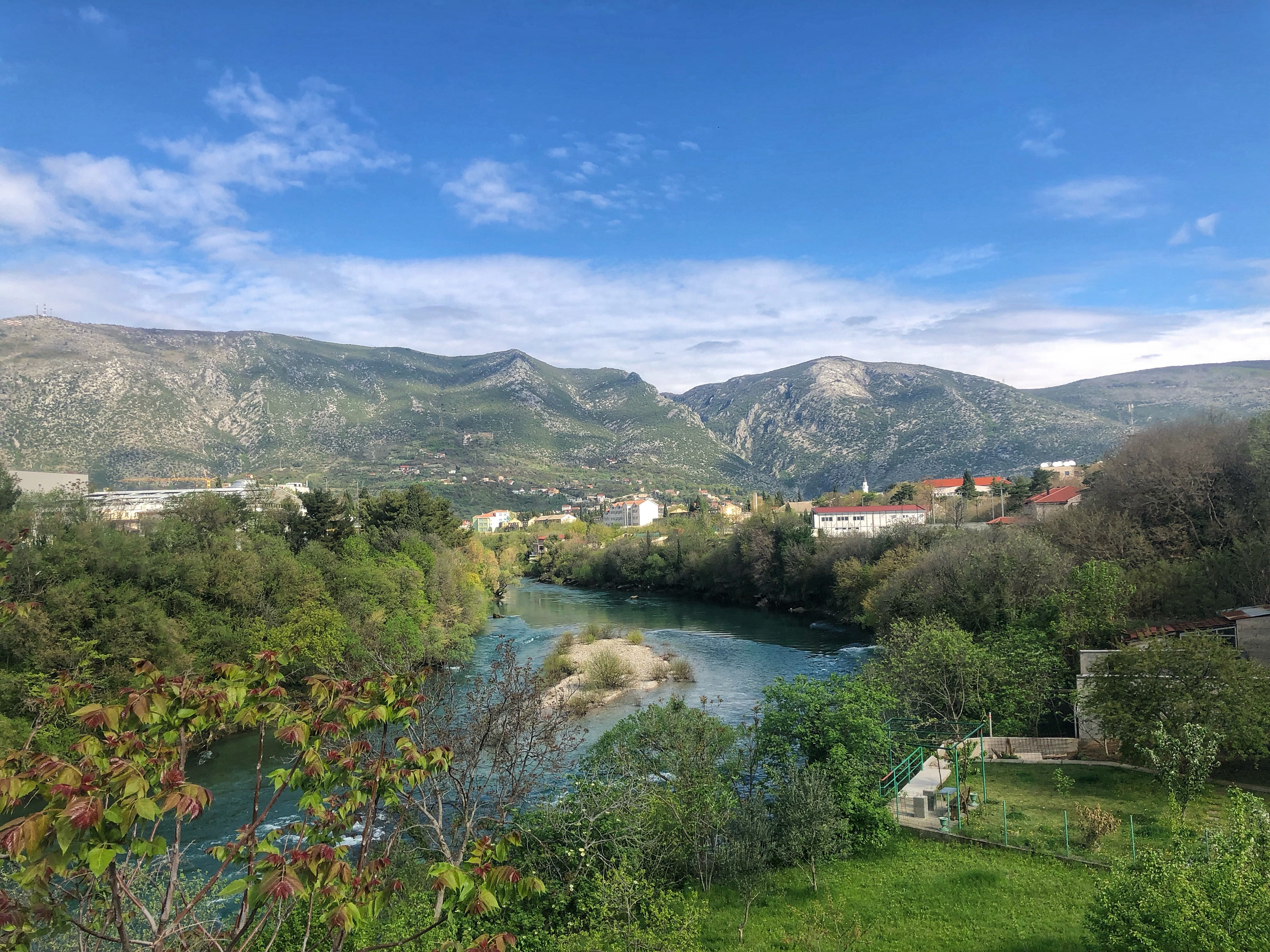
I arrived to Mostar on a beautiful sunny morning. This honestly surprised me because the city has a higher temperature compared to the other cities of Bosnia and Herzegovina due to its geographical location. Mostar is mostly flat and has lower altitude, unlike Sarajevo which is hilly and freezing. In fact, the highest temperature ever recorded in Mostar reached 41.1 degrees Celsius. Mostar has the most perfect weather condition during Spring. The moderate temperature gives you a chance to wander the cobblestone streets and enjoy the most popular city of Bosnia.
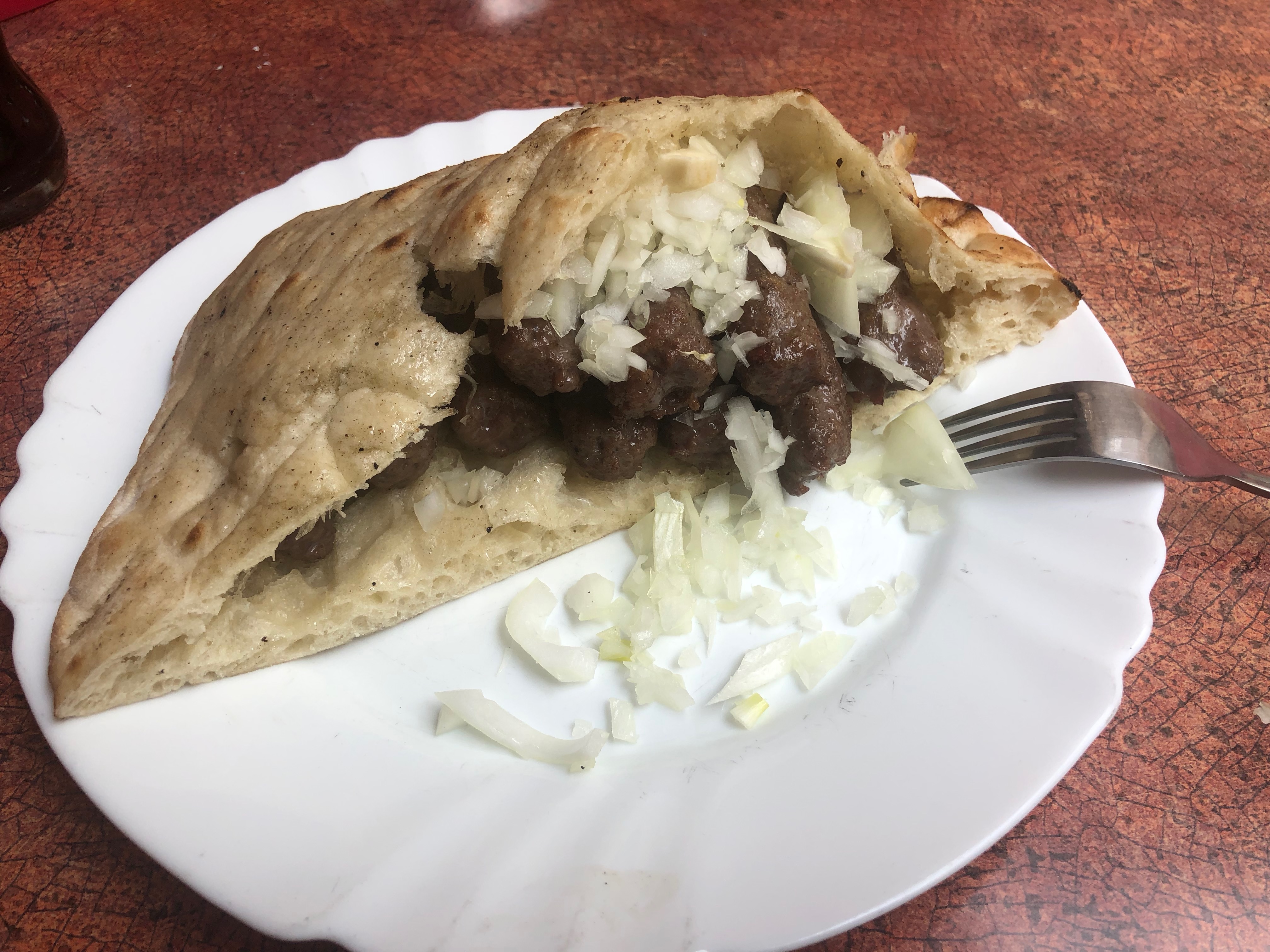
Traditional Bosnian Food
Lack of common food chains can be easily noticed in Bosnia & Herzegovina and I can understand why. The country is gaining popularity on the backpacker’s trail. One reason is that it is a very affordable country to visit. The local food, which is probably what all travelers prefer to eat when traveling, is incredibly budget-friendly. For example, Cevapi, B&H’s national dish of pita bread filled with sausage made of ground meat and onion, only costs 3 KM (convertible marks) or 1.5 euro, and is big enough to fill one empty stomach. Another traditional food that is a must try is Burek– a savory baked filled pie made of a thin flaky dough; and Janjetina– roasted lamb with crispy skin yet so tender inside, cooked in a traditional way giving the meat a distinct original flavor sure to make your mouth water.
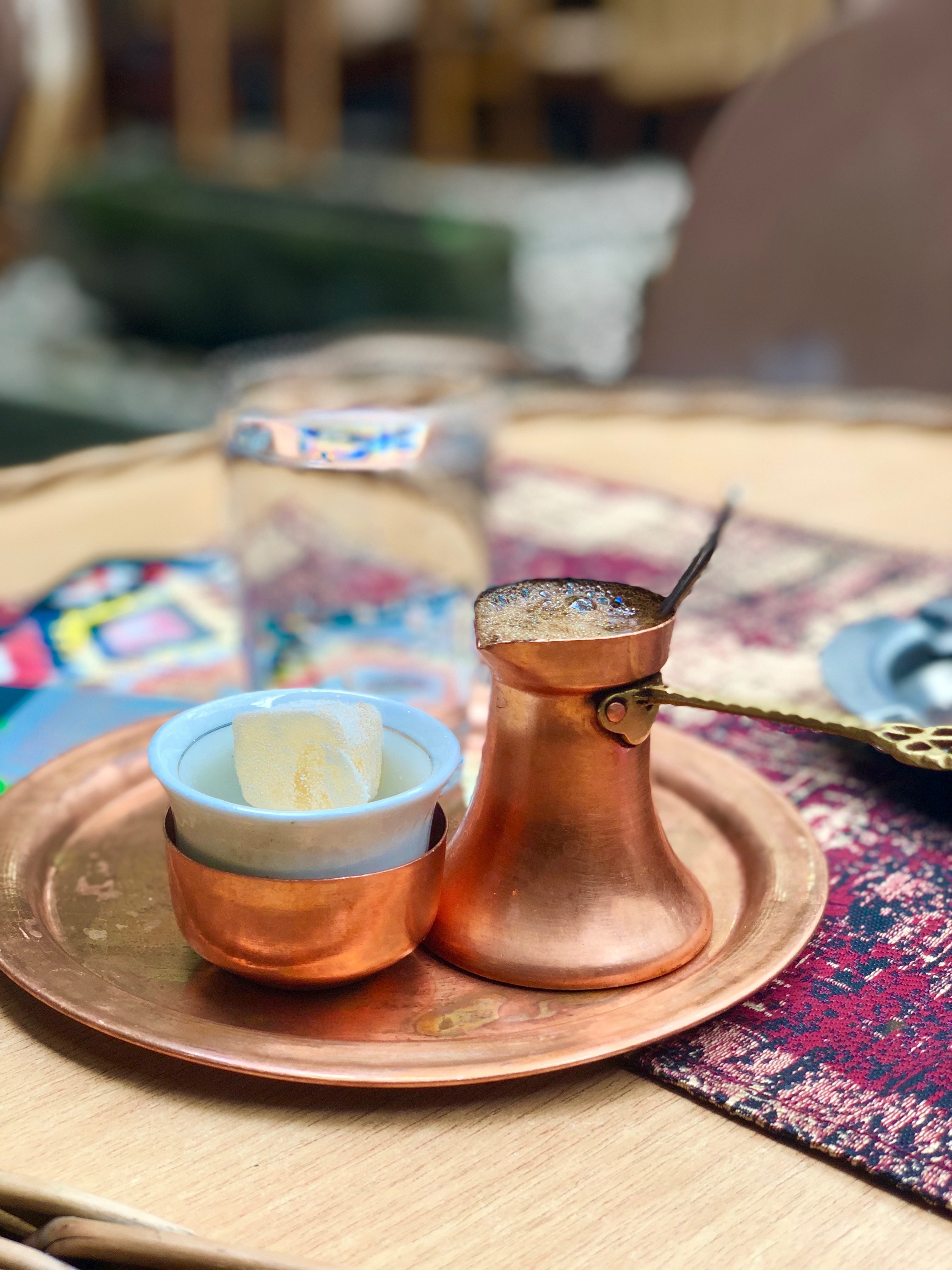
Bosnian Coffee
The traditional Bosnian coffee, which is made of roasted coffee beans ground in a manual coffee grinder and served in a heated metal pot called džezva with sugar cubes on the side, is one of the best coffees I have ever tasted. No wonder why this coffee is part of this country’s identity. The rich and crisp taste of this coffee is somehow similar to the Turkish coffee, thanks to the Ottoman influence, yet the way the Bosnian coffee is served is easily recognizable.
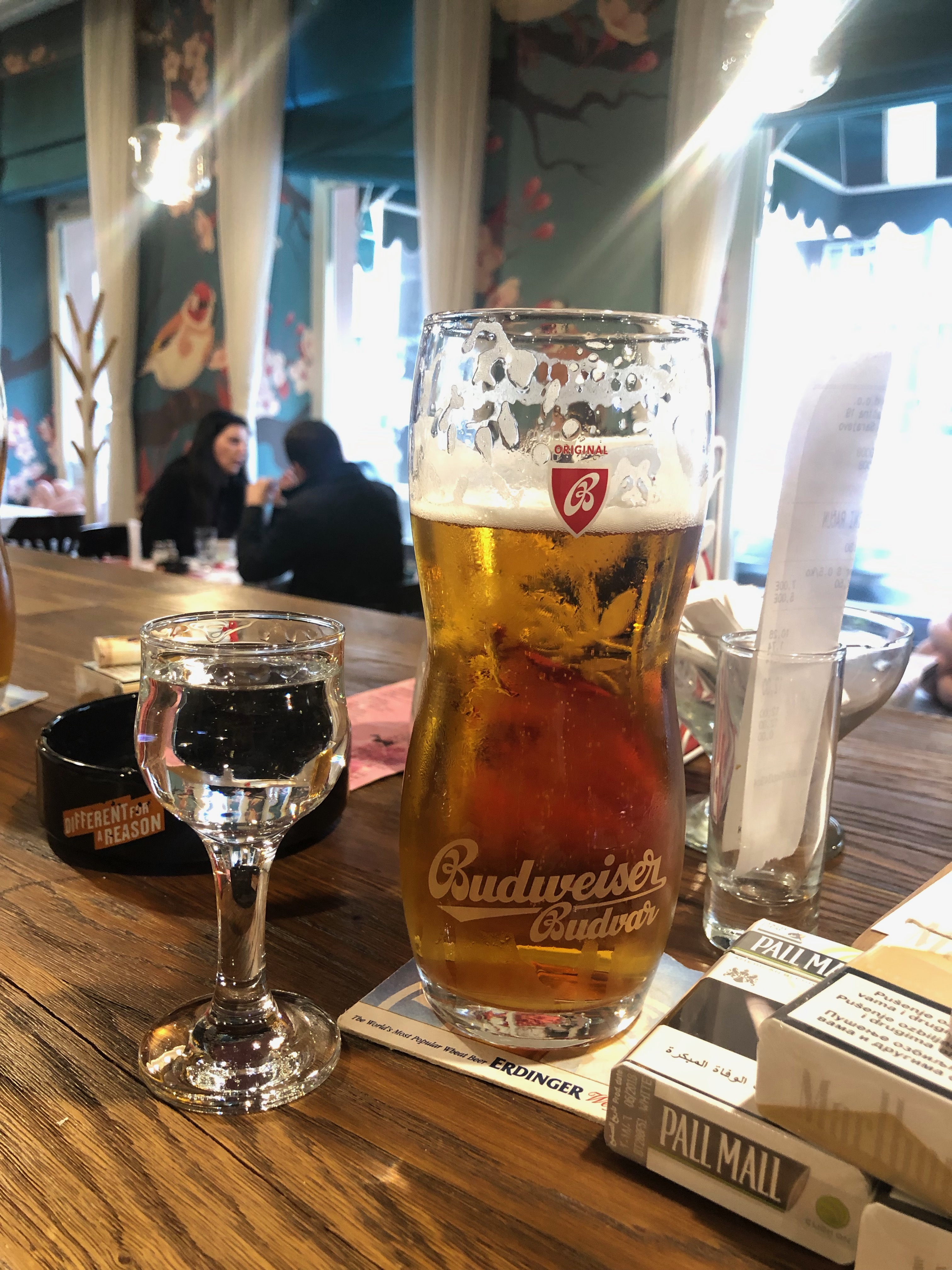
Beer and Rakija
The price of beer varies depending on which city you are at. For instance, in Maglaj, a bottle of Sarajevsko (a local beer brand) in a bar costs 2 KM (1 euro), while it costs 3 to 4 KM (1.5 to 2 euro) in some Sarajevo bars. Beer is even cheaper when you buy it from the groceries. There is also this home-made fruit brandy called Rakija, which contains 40% alcohol and is very famous in the Balkans. Rakija is certainly a must-try.
My Bosnian friends are also very proud to say that they have the best shisha in the world. Well, to be honest, I cannot find any grounds to argue with them. The shisha in Bosnia is always freshly served. Meaning it is a made-to-order thing and also has a wide variety of flavors. It’s incomparable to what we have in the Middle East, which were already prepared before the store even opens and has a very limited option of flavor to choose from.
Accommodation
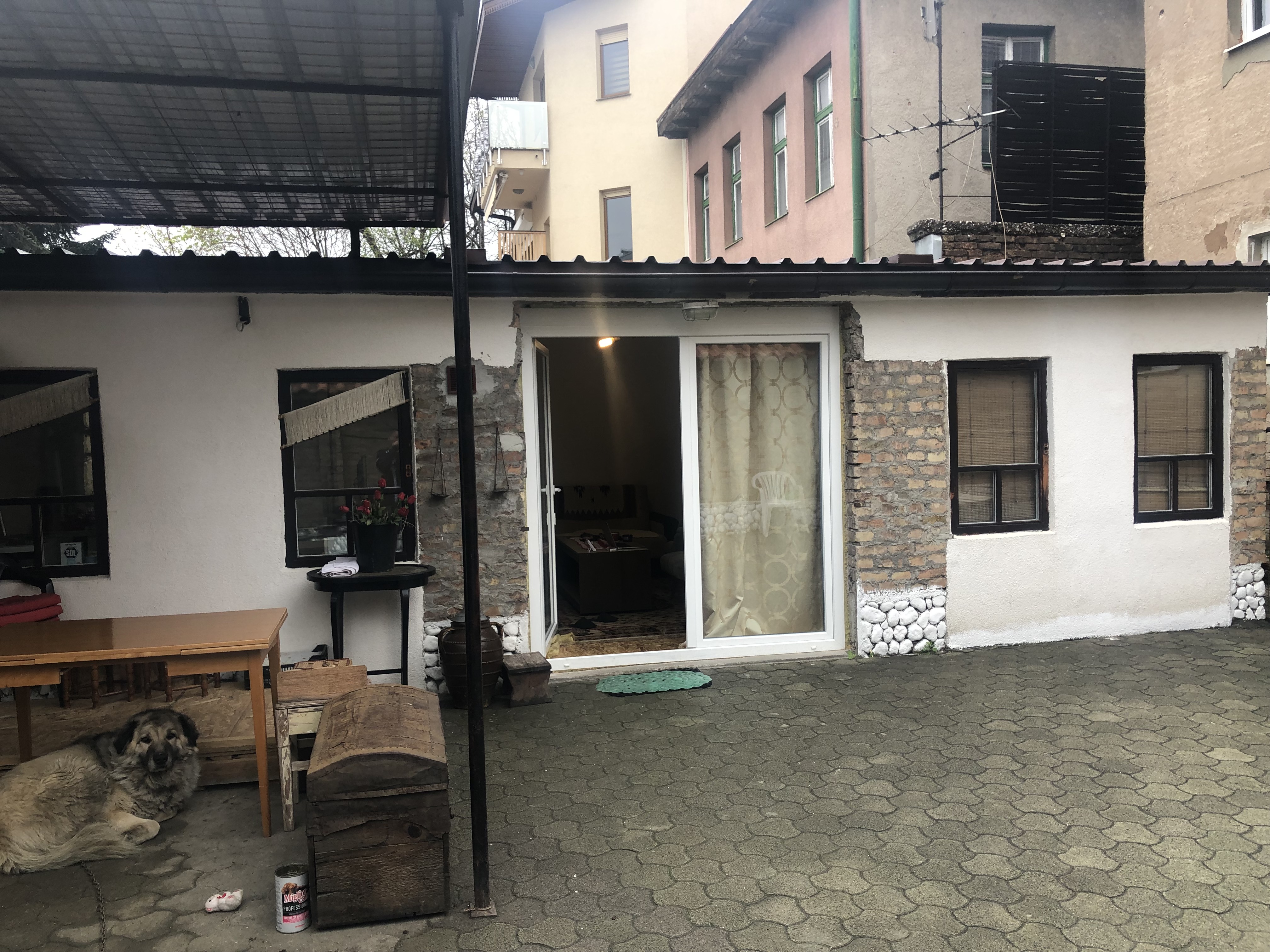
I booked my accommodation through Airbnb for only $11 per night. The apartment is called Studio S Avlija, owned by a very welcoming and accommodating host, Kenan. The apartment is complete with all the important things (especially heater) and is very clean and well maintained. It is located in a quiet neighborhood 15-minute-walk away from the city’s Old Town. I experienced no hassle from Studio S Avlija because Kenan makes sure that his tenants are comfortable. The pet dog present there is also a plus for dog lovers like me. Studio S Avlija is a highly recommendable place to stay in Sarajevo.
Budget
The currency of Bosnia and Herzegovina is called Convertible Mark (KM). 1 KM is equivalent to a half euro.
“Do not spend more than 100 euro a day”, a friend of mine once said. You know what the funny thing was? Since I have been living in the Middle East for many years, and how the cost of living there could be quite expensive (especially in alcohol and cigarettes), I barely noticed my spending in Bosnia. I lived like a king for 1500 euro in my entire two-week stay at this beautiful country. That includes everything, from partying hard to buying souvenirs before I left.
Transportation
Being a solo traveler in Bosnia can be challenging. The biggest difficulty is finding out how to get from one place to another. When there aren’t any locals present who speak English much, and you don’t have other fellow tourists to ask, finding reliable information isn’t easy. I got by from showing pictures from Google or calling my friends to have them speak with the taxi drivers on my behalf.
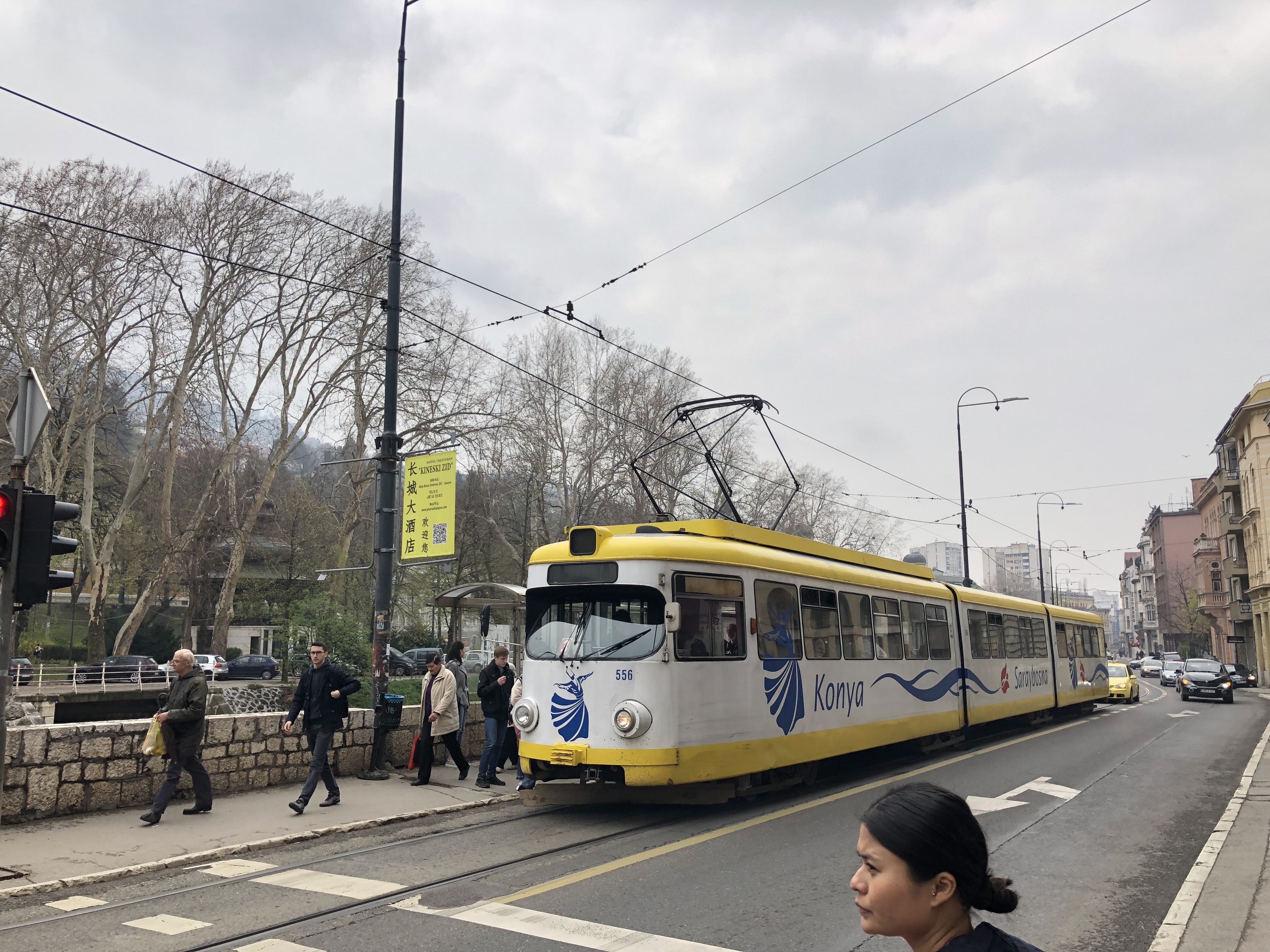
Tram is one of the easiest ways to move around Sarajevo. The fare is fixed to 2 KM at all stops.
I left Bosnia with many longings and sepanx, and I am really glad I was given the opportunity to see this country. It was love at first sight. Did I leave Bosnia wishing I could have stayed longer? Yes. I wish that the old saying about drinking water from the sebilj will come true.
 Erwin's Blog
I read this almost.Amazing travel blogger hope you make some online e books and earn some good money too.
LikeLiked by 1 person
Well I just do it for the love of traveling and writing. Thanks 😊
LikeLike
I feel inlove in the country while reading it 💜 I want to go there also. Can you tell me how much it cost you? Thanks
LikeLike
Hi thank you! I am glad you liked it. It costs me about 1500 euro for 2 weeks. And I did experienced everything good. Goodluck!
LikeLike